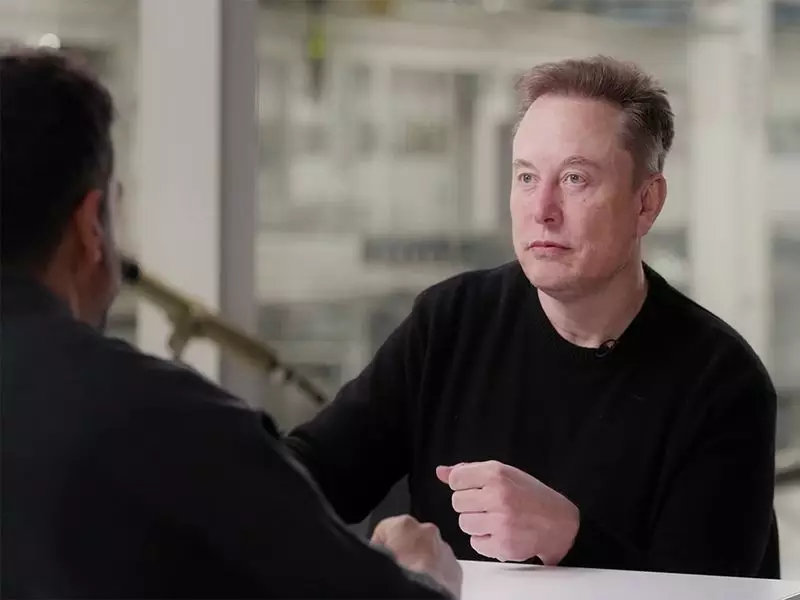
In a surprising revelation that could reshape India's digital connectivity landscape, tech billionaire Elon Musk has openly acknowledged the limitations of his satellite internet service Starlink in competing with traditional mobile tower networks within densely populated urban centers.
The Urban Connectivity Challenge
During a recent public interaction, Musk made a candid admission that has significant implications for countries with high population density like India. Starlink cannot outperform traditional tower-based broadband networks in cities and other densely populated areas where terrestrial infrastructure already provides reliable service.
The SpaceX CEO explained that the fundamental physics of satellite communication creates inherent limitations in urban environments. With thousands or millions of users concentrated in small geographic areas, satellite systems face bandwidth constraints that make them less efficient than well-established mobile tower networks.

Starlink's Sweet Spot: Rural and Remote Areas
Musk emphasized that Starlink's true competitive advantage lies in serving remote and rural locations where traditional broadband infrastructure is either unreliable or completely unavailable. This positioning makes the service particularly relevant for India's vast rural hinterlands, where millions still lack adequate internet access.
The technology works best in areas with low population density, making it an ideal solution for villages, mountainous regions, and other hard-to-reach places that telecom companies often find economically challenging to serve with conventional infrastructure.
This strategic positioning could prove crucial for India's Digital India initiative, which aims to provide broadband connectivity to all citizens, regardless of their geographic location. Starlink's potential to bridge the digital divide in India's most inaccessible regions represents its most promising application in the country.
Implications for India's Digital Future
The admission comes at a critical time when Starlink is actively seeking regulatory approvals to operate in India. Understanding these limitations helps policymakers and potential customers make informed decisions about where satellite internet fits within the country's broader connectivity ecosystem.
Rather than competing directly with existing urban broadband providers, Starlink appears positioned to complement existing infrastructure by filling coverage gaps in rural India. This approach could help accelerate the government's vision of universal broadband access without creating unnecessary duplication of services in already well-served urban markets.
Industry experts suggest that a hybrid approach, combining traditional mobile networks in cities with satellite solutions for remote areas, might represent the most efficient path toward comprehensive digital connectivity across India's diverse geographic and demographic landscape.
As India continues its digital transformation journey, Musk's candid assessment provides valuable clarity about the appropriate use cases for emerging technologies like satellite internet and their role in supporting the country's ambitious connectivity goals.