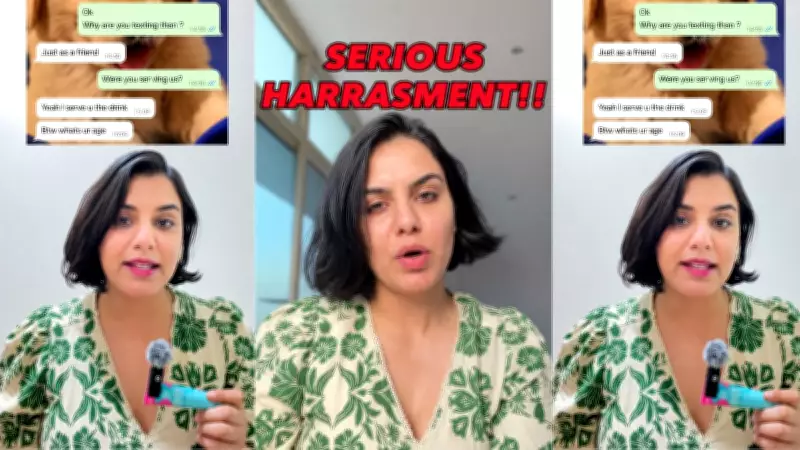
A woman from Pune has alleged that she faced harassment from a restaurant employee after scanning a QR code to view the menu. The incident has come to light following a viral video on social media, where the woman shared her ordeal. According to her account, after dining at the restaurant and using the QR code to access the menu, she started receiving unsolicited late-night messages from a staff member. The messages were reportedly inappropriate and made her feel unsafe.
Details of the Incident
The woman, whose identity has not been disclosed, recounted that the QR code was placed on the table for customers to view the digital menu. She scanned it using her smartphone, which likely allowed the restaurant's system to capture her contact information. Subsequently, she began receiving messages from an unknown number, which she later identified as belonging to a restaurant employee. The messages were sent late at night and contained unwelcome advances.
Public Reaction
The video shared by the woman has garnered widespread attention, with many netizens expressing solidarity and demanding action against the restaurant. Several users called for stricter data privacy measures when using QR codes at public places. Others highlighted the need for restaurants to ensure their staff's conduct and protect customers' personal information.

Legal and Safety Concerns
This incident raises serious questions about data privacy and safety in the digital age. QR codes have become ubiquitous in restaurants and other businesses as a contactless way to access menus and services. However, they can also pose risks if the data collected is misused. Legal experts suggest that customers should be cautious about sharing personal information through such means and that businesses must comply with data protection laws.
The woman has reportedly filed a complaint with the local police, who are investigating the matter. The restaurant management has yet to issue an official statement. Meanwhile, the incident serves as a cautionary tale about the potential dangers of seemingly innocuous digital interactions.