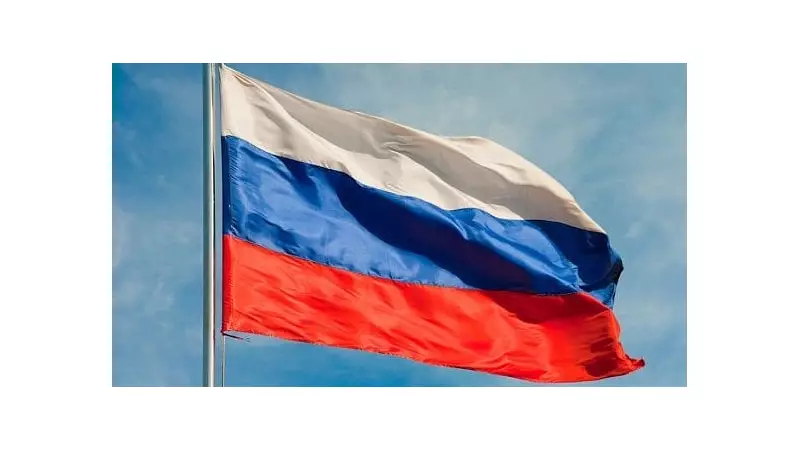
Russia has escalated its confrontation with major messaging platforms, threatening to impose a complete ban on WhatsApp after months of mounting tensions. The digital standoff highlights the growing global conflict between national security concerns and user privacy.
The Beginning of Restrictions
The Russian government initiated the first phase of its crackdown in August 2025, when authorities began limiting certain call functions on both WhatsApp and Telegram. The restrictions came as a direct response to what Russian officials describe as the platforms' refusal to cooperate with law enforcement agencies.
According to Russian authorities, these foreign-owned messaging services have repeatedly declined to share crucial information with security forces investigating serious crimes. The government specifically mentioned their inability to access data needed for fraud and terrorism cases, creating what they call a significant obstacle to national security operations.

Deepening Digital Conflict
The current situation represents a significant escalation from the initial limitations imposed in August. Russian regulators have now moved from partial restrictions to considering a comprehensive ban that would completely block access to WhatsApp for all users within Russian territory.
This development follows years of tension between Russia and international tech companies over data localization and access requirements. Russian law mandates that technology companies store Russian users' data on servers within the country and provide decryption capabilities to security services when required for criminal investigations.
Global Implications and User Impact
The potential ban carries significant consequences for millions of Russian citizens who rely on WhatsApp for daily communication with family, friends, and business contacts. The platform has become deeply integrated into both personal and professional life throughout the country.
This move also signals Russia's continuing push for digital sovereignty and control over internet services operating within its borders. The situation mirrors similar conflicts in other countries where governments are increasingly asserting control over foreign technology platforms.
Industry experts suggest that a complete WhatsApp ban could drive users toward Russian-developed alternatives or other international platforms that are more willing to comply with local regulations. However, the transition would likely cause significant disruption for the vast user base accustomed to WhatsApp's interface and features.
The standoff continues to develop, with both sides maintaining their positions on data privacy versus national security requirements. The outcome of this conflict could set important precedents for how other nations approach regulation of foreign-owned digital platforms in the future.