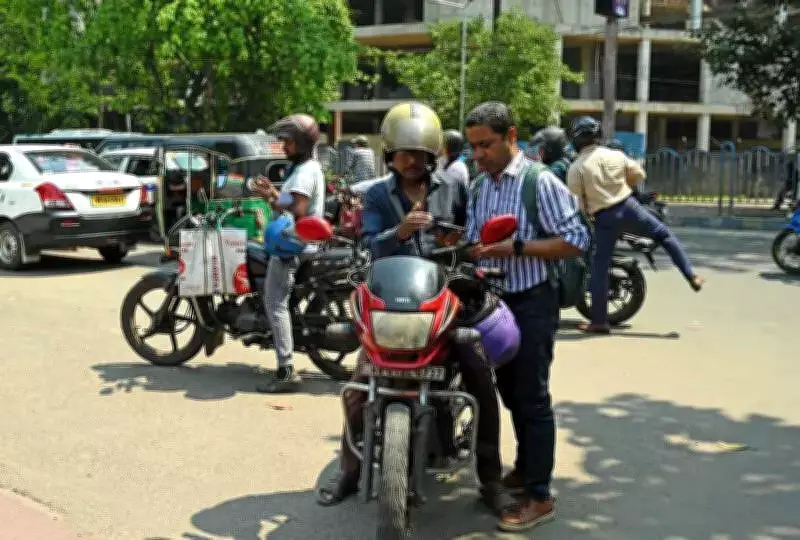
App Bikes Emerge as Kolkata's New Last-Mile Lifeline Amid Auto Crisis
The streets of Kolkata are witnessing a significant shift in last-mile transportation as app-based bike taxis rapidly fill the void left by a severe shortage of auto-rickshaws. This transformation is primarily driven by the soaring prices of auto LPG, which have pushed many auto drivers off the roads and forced others to hike fares, disrupting the city's traditional transport network that feeds the Kolkata Metro.
Fuel Price Surge Creates Transport Vacuum
A sharp and sustained rise in auto LPG rates has created a perfect storm for Kolkata's commuters. From approximately Rs 58 per litre in January to nearly Rs 83 by April, this dramatic increase has made operations unsustainable for many auto drivers. The financial strain is compounded by long waiting times at refilling stations, leaving drivers with limited hours to ply their vehicles. This dual pressure has resulted in fewer autos available, particularly during peak hours, creating a critical gap in last-mile connectivity from metro stations to final destinations.
App Bikes Seize the Opportunity
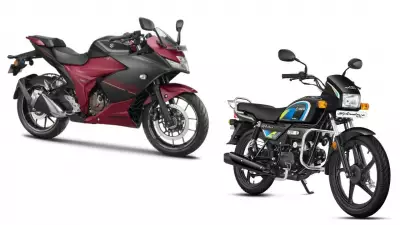
In this emerging vacuum, app-based bike taxis have strategically positioned themselves as the new solution. Operators have occupied prime locations outside key metro stations across the city, including Sector V, Sovabazar, Tollygunge, and Exide. These services offer quick, on-demand rides to nearby neighborhoods, capitalizing on the auto shortage to attract a growing customer base.

Nawab Molla, a bike taxi operator stationed outside Sector V Metro station, reported continuous bookings from metro passengers from 8 AM until noon. "People have started preferring bikes as the few autos that are plying are charging more," he explained. Another operator at Sovabazar station noted that demand spikes sharply during office hours, with passengers often booking rides instantly upon exiting the station.
Commuters Embrace the Change
For Kolkata's daily commuters, the shift to app bikes is driven by practical considerations of time and reliability. IT professional Abhik Ghosh shared his experience: "Earlier, I used to wait 20 minutes for an auto after getting down at Sector V Metro station to reach my New Town office. Now I just book a bike and leave in five minutes."
Ipsita Saha, a resident of Sahapur who commutes from Rabindra Sarobar to Behala, highlighted the reliability factor: "I have to wait for autos in the evening for over 30 minutes on some days. I have switched to bike taxis. They may cost double but I get a comfortable ride home."
Student Priyanka Shaw near Tollygunge echoed similar sentiments, noting that bike taxis offer door-to-door service without the bargaining that often accompanies auto rides. "Autos are either unavailable or are charging more. Some are carrying five passengers. Bike taxis drop me at the door without bargaining," she said.
Auto Drivers Defend Fare Hikes
Auto drivers, facing their own economic challenges, have defended the necessary fare increases. One operator on the Tollygunge-Sakherbazar route explained, "Fuel cost has gone up massively. If we don't increase fares, we cannot survive." This economic reality has created a difficult balancing act between maintaining service affordability and covering operational costs.
Traffic Management Challenges Emerge
The rapid rise of app bikes has introduced new traffic management challenges for Kolkata's law enforcement. Police in both Kolkata and Bidhannagar have expressed concerns about bike riders clogging roads directly outside metro station gates, particularly at Sector V station where congestion slows traffic beneath the Nabadiganta flyover.
An officer involved in traffic management noted, "While autos still park at designated stands away from stations, bike riders clog the road right outside the Sector V station gates. We deploy extra personnel to keep the road free of jams in peak hours." This indicates that while app bikes solve one transportation problem, they may be creating new infrastructure challenges that require regulatory attention.
The Future of Kolkata's Last-Mile Transport
As Kolkata navigates this transportation transition, several key trends are emerging:

- App bikes are establishing themselves as a reliable alternative to autos for short-distance travel
- Commuters are willing to pay premium prices for time savings and convenience
- The traditional auto network faces sustainability challenges due to fuel costs
- Infrastructure and traffic management need to adapt to new mobility patterns
This shift represents more than just a change in vehicle preference—it signals a broader transformation in how Kolkata residents approach urban mobility. As fuel prices continue to influence transportation economics, app-based services appear poised to play an increasingly significant role in the city's last-mile connectivity ecosystem.