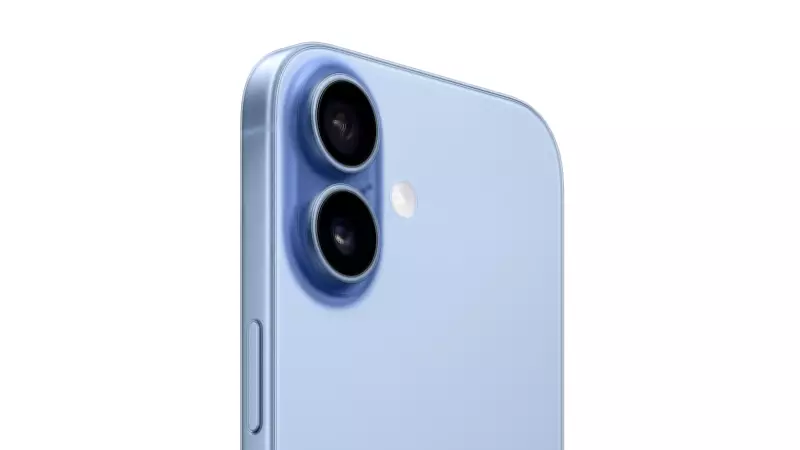
Apple's iPhone Winning Streak Faces Potential Disruption with 2026 Release Cycle Change
For several consecutive years, Apple's base-model iPhone has consistently dominated as the world's most popular smartphone. According to comprehensive data from Counterpoint Research, the iPhone 14 secured the top position in 2023, followed by the iPhone 15 in 2024 and the iPhone 16 in 2025. This remarkable multi-year winning streak, however, may be approaching a significant turning point that could reshape Apple's product launch strategy.
Report Suggests iPhone 18 Launch Could Be Pushed to 2027
A new investigative report has revealed that Apple is seriously considering a substantial change to its established release cycle for 2026. The tech giant might potentially skip the traditional 2026 launch for the iPhone 18, instead postponing its debut to the first half of 2027. This strategic shift represents a departure from Apple's predictable annual refresh pattern that consumers and industry analysts have come to expect.
Citing four knowledgeable sources with direct insight into the matter, a detailed report by Nikkei Asia claims that Apple will prioritize premium iPhone launches throughout 2026. This decision appears to be driven primarily by the ongoing global memory crunch affecting the technology sector. The company is said to be concentrating its resources on delivering two key products: its highly anticipated first-ever foldable iPhone alongside two Pro models, all scheduled for launch in the second half of 2026.

Why Apple Might Postpone Standard iPhone 18 Shipments
The surging prices for memory chips and various essential materials have created significant resource constraints for smartphone and laptop manufacturers worldwide. Apple's contemplated move is strategically designed to optimize available resources while maximizing both revenue and profits from its premium model offerings. This approach reflects a calculated response to current market pressures.
A recent industry analysis indicated that although Apple maintains multi-year agreements for iPhone components—which prevented price increases last year while competitors like Xiaomi openly declared higher costs—the company now appears to be feeling the effects of escalating memory prices. Other prominent smartphone manufacturers, including Xiaomi, Oppo, Vivo, and Transsion, have already reduced their shipment forecasts for the current year, signaling broader industry challenges.
The report further suggests that to minimize potential production disruptions and maintain operational smoothness, Apple is implementing proactive measures. This becomes particularly crucial during the mass production of its inaugural foldable iPhone, which demands more sophisticated industrial techniques and novel materials that require additional time to achieve necessary production quality standards.
Supply Chain and Marketing Strategy Considerations
"Supply chain smoothness is one of the key challenges for this year, and the marketing strategy change also played a part in the decision to prioritize premium models," explained an executive from an iPhone supplier with direct knowledge of the plans, as quoted in the report.
By concentrating on premium models in 2026 and rescheduling standard model sales for early 2027, Apple expects to enhance its supply chain management efficiency while developing a more coherent and effective marketing strategy. One insider emphasized that this adjusted approach would help the company better allocate resources and navigate the complex current market landscape.
This potential shift in Apple's launch timeline could have ripple effects across the global smartphone industry, influencing competitor strategies and consumer expectations. While Apple has maintained its market leadership through consistent annual releases, adapting to supply chain realities might prove essential for sustaining its competitive edge in an increasingly challenging technological environment.