

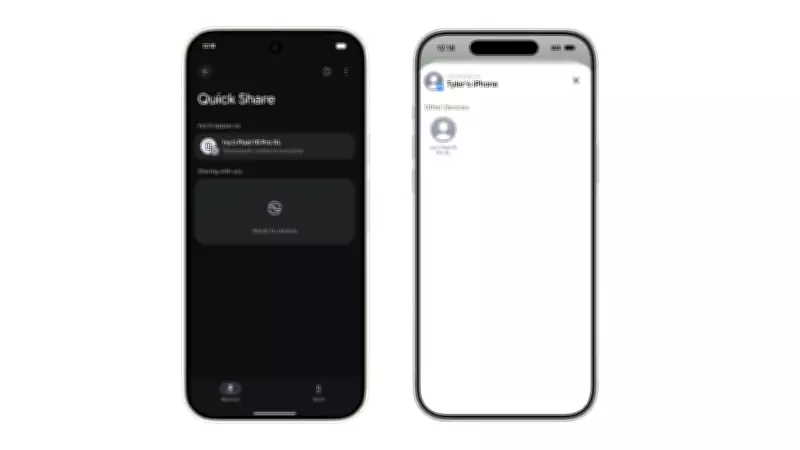
Google Breaks AirDrop Feature Out of Pixel Exclusivity
In a significant development for Android users worldwide, Google has officially confirmed that its cross-platform file sharing capability will expand beyond Pixel devices to encompass a much broader range of Android smartphones this year. This announcement ends months of industry speculation about when other manufacturers would gain access to this highly anticipated functionality.
Official Announcement from Android Leadership
Eric Kay, Google's Vice President of Engineering for Android, made the formal declaration during a press briefing held in Taipei. "Last year, we successfully launched AirDrop interoperability for select devices," Kay stated. "In 2026, we're going to be expanding it to a lot more devices across the Android ecosystem." He further teased that "exciting announcements" regarding this expansion are forthcoming very soon.
From Pixel Perk to Platform Feature
Since November 2025, Pixel 10 owners have enjoyed the exclusive ability to send files directly to Apple devices including iPhones, iPads, and MacBooks using Quick Share, Android's equivalent to Apple's AirDrop system. The limitation has been that no other Android manufacturer's devices could perform the same function, making it feel more like a Pixel-specific advantage rather than a true platform feature.

This exclusivity period is now coming to an end. According to industry reports from Android Authority, Google has been actively collaborating with manufacturing partners to integrate this functionality throughout the broader Android ecosystem. While specific device names haven't been officially disclosed yet, both Nothing and Qualcomm have previously hinted at supporting this feature on their respective products.
Potential for Massive Rollout
The expansion could reach significant scale since Qualcomm's Snapdragon chips power most flagship Android phones currently available, including popular models like Samsung's Galaxy Z Fold 7 and the OnePlus 15. This suggests that millions of Android users worldwide could gain access to seamless cross-platform file sharing capabilities in the near future.
Bypassing Apple's Ecosystem Walls
Perhaps the most remarkable aspect of this development is that Google achieved this interoperability without requiring Apple's direct cooperation or approval. Thanks to European Union regulations that compelled Apple to adopt the Wi-Fi Aware standard within AirDrop, Google discovered a technical pathway to enable this functionality independently.
iPhone users will need to configure their AirDrop settings to "Everyone for 10 Minutes" to receive files from Android devices, but this represents a minor inconvenience compared to previous alternatives like downloading third-party applications or resorting to email transfers for file sharing between platforms.
Broader Strategy Against Ecosystem Lock-In
Eric Kay also provided hints about Google's larger strategic direction, revealing that the company is developing improved data migration tools specifically designed for users switching from iPhones to Android devices. This suggests Google is taking a comprehensive approach to gradually erode Apple's ecosystem advantages and make platform transitions smoother for consumers.
The expansion of cross-platform file sharing represents a significant step toward greater interoperability between competing mobile ecosystems, potentially changing how users share content across different device platforms in their daily digital lives.






