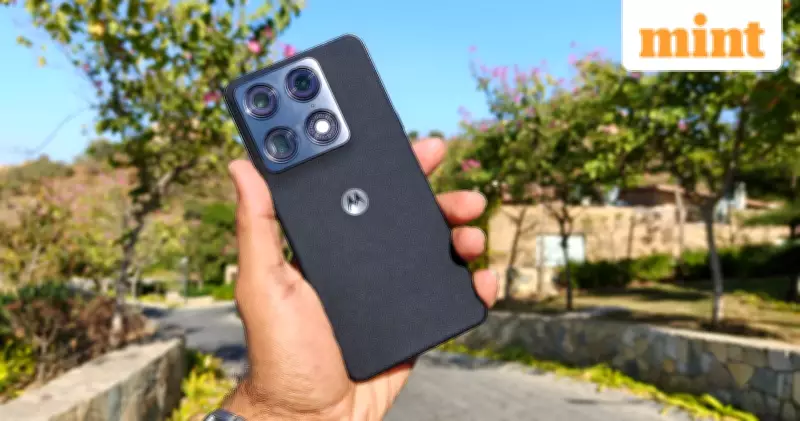
Motorola Signature Review: A Candybar-Style Flagship Experience
Motorola has entered the premium smartphone segment with its first candybar-style flagship device - the Motorola Signature. After using this phone extensively for approximately three weeks, I present a comprehensive review of how it performs in real-world scenarios across various parameters.
Camera Performance: A Mixed Bag of Excellence and Areas for Improvement
The Motorola Signature boasts an impressive camera setup with detailed specifications:
- Main Rear Camera: 50MP Sony LYTIA 828 sensor with f/1.6 aperture and Optical Image Stabilization, capable of up to 8K 30fps video recording
- Telephoto Rear Camera: 50MP Sony LYTIA 600 sensor featuring a periscope lens with 3x optical zoom and 100x digital zoom, supporting up to 8K 30fps video
- Ultra-wide Rear Camera: 50MP sensor (unspecified) offering 122° field of view and macro shooting capabilities, recording up to 4K 60fps video
- Front Selfie Camera: 50MP Sony LYTIA 500 sensor with autofocus support and up to 4K 60fps video recording
In daylight conditions, the primary camera captures visually appealing photographs with natural color reproduction, respectable dynamic range, and consistent exposure management. Motorola provides two distinct color styles - the default Natural mode and an optional Signature style, though the latter delivers inconsistent results depending on shooting conditions.

The portrait photography capabilities deserve special mention, with support for multiple focal lengths including 24mm, 35mm, 50mm, and 85mm. The device demonstrates precise edge detection and maintains authentic skin tones while avoiding excessive artificial background blurring.
Telephoto zoom performance stands out as particularly impressive, allowing users to capture quality images even at extreme zoom levels of 60x or 70x. Motorola's implementation of AI enhancement for detail and sharpness refinement works effectively without appearing overly processed.
Selfie photography delivers satisfying results with natural skin tones and adequate detail preservation, avoiding the aggressive skin smoothing commonly found in smartphones from Chinese manufacturers.
However, low-light photography represents the camera system's primary weakness. While the device manages to capture usable images in most low-light situations, it struggles significantly with artificial lighting conditions, resulting in softened details and noticeable noise intrusion.
Performance Benchmarks: Exceeding Expectations
Motorola's claims regarding the Signature's performance capabilities initially seemed ambitious, but benchmark testing revealed surprising results. The device achieved an AnTuTu score of 30,40,438, surpassing the performance of smartphones powered by last year's flagship Snapdragon 8 Elite chipset, including the OnePlus 13 and iQOO 13.
Additional benchmark results include:
- 3DMark Extreme Stress Test: Best loop score of 5527, lowest loop score of 3807, with 68.9% stability
- Geekbench 6 CPU: Single-core score of 2932 and multi-core score of 9526
During real-world gaming sessions with titles like BGMI and Call of Duty Mobile, the device exhibited moderate warming but cooled efficiently when returning to normal usage patterns. Thermal management deserves commendation, especially considering the phone's slim 6.99mm profile.
Software Experience and Battery Performance
Motorola's Hello UI provides a near-stock Android experience with minimal third-party applications, primarily limited to Instagram and Facebook. Initial game suggestions disappeared following software updates, maintaining the clean interface.
According to Shivam Ranjan, Motorola's Head of Marketing for Asia Pacific, the company has enhanced its commitment to operating system and security patch updates, with the Signature series receiving priority for the latest software improvements.

Battery performance demonstrates both strengths and limitations. The device's standby time proves exceptional, lasting over four days without internet connectivity. During typical daily usage involving photography, video streaming, and music playback, the phone delivered approximately six hours of screen-on time.
Power users may require multiple daily charges, while moderate users can expect the battery to last through the night and into the following afternoon. The included 90W charger, remarkably compact for its power rating, fully charges the device within 30 to 40 minutes.
Final Verdict: A Respectable Flagship Contender
Priced starting at ₹59,999, the Motorola Signature presents a compelling package featuring:
- Sleek and sophisticated design aesthetics
- Powerful processing capabilities (though not the absolute latest available)
- Competent camera system with notable strengths
- High-quality LTPO AMOLED display
- Clean software experience with promised long-term support
The device does exhibit certain limitations, particularly in low-light photography and the 5,200mAh battery's capacity for heavy usage scenarios. Considering the current market context of memory chip shortages driving up prices across the industry, the Motorola Signature emerges as a respectable effort to deliver flagship-level experiences within its price segment.