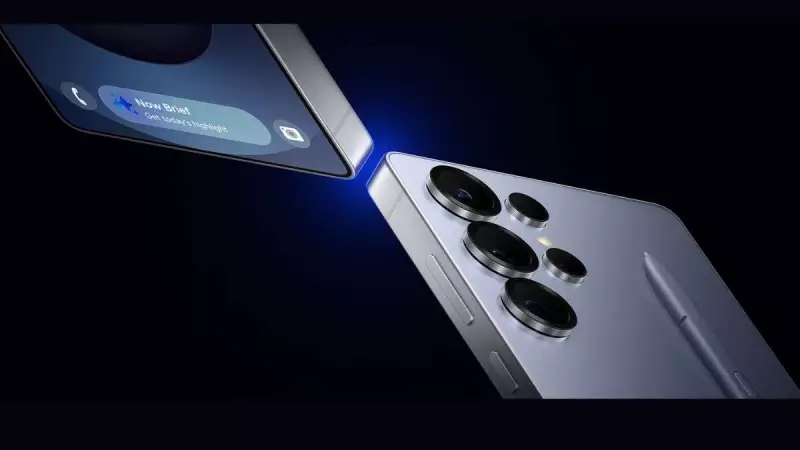
In a move set to redefine mobile connectivity, Samsung is reportedly planning to integrate advanced satellite communication features into its flagship Galaxy S26 series, expected to launch in 2026. This technology would allow users to make direct satellite calls for both voice and video, even in areas with absolutely no cellular coverage.
Beyond SOS: The Leap to Full Satellite Calling
While current satellite features in smartphones like the iPhone 14/15 and recent Galaxy models are limited to emergency SOS messaging, Samsung's ambition for the Galaxy S26 series is far more comprehensive. According to leaks from industry analyst OreXda, the upcoming Samsung Exynos 2600 chipset is being developed with native support for two-way satellite communication. This isn't just for sending distress signals; it's for making regular calls.
The implications are profound. Users trekking in remote mountains, sailing offshore, or working in areas devastated by natural disasters could maintain contact with the outside world. This feature promises to be a true lifeline, transforming smartphones into universally connected devices, irrespective of terrestrial network infrastructure.

How Samsung's Satellite Technology Might Work
Implementing this technology is a significant engineering challenge. Satellite communication requires a clear line of sight to the sky and specialized hardware. The leak suggests Samsung is developing a dedicated solution to make the feature practical for everyday use.
The key innovation may lie in a new antenna technology that is powerful enough to connect to satellites in Low Earth Orbit (LEO) but efficient enough to be housed in a sleek smartphone body. Samsung will likely partner with a global satellite network operator to provide the service, which could be offered as a subscription model beyond any free emergency tier.
This development directly responds to and aims to surpass Apple's satellite initiatives. By targeting voice and video calls, Samsung is pushing the boundary of what's currently available to consumers. The Exynos 2600's integrated modem will be crucial, needing to handle both standard 5G/6G networks and the specific protocols for satellite links seamlessly.
What This Means for Users and the Market
If successful, this feature will be a major selling point for the Samsung Galaxy S26 Ultra and its siblings. It elevates smartphone from a convenience to an essential safety and communication tool for everyone, especially adventurers, journalists, and professionals in remote fields.
However, questions remain. The cost of satellite calls, the subscription plans, and the actual network coverage (which global satellites it connects to) will determine its widespread adoption. Battery consumption during satellite use is another critical factor Samsung must optimize.
This move is likely to accelerate a new competitive front in the flagship smartphone war. Following Samsung's 2026 target, other Android manufacturers will be under pressure to develop or license similar technology. The era where a phone is truly connected anywhere on Earth is on the horizon, and Samsung's Galaxy S26 series wants to lead the charge.