Xiaomi 17 Ultra Review: A Camera-First Phone with Real Optical Zoom
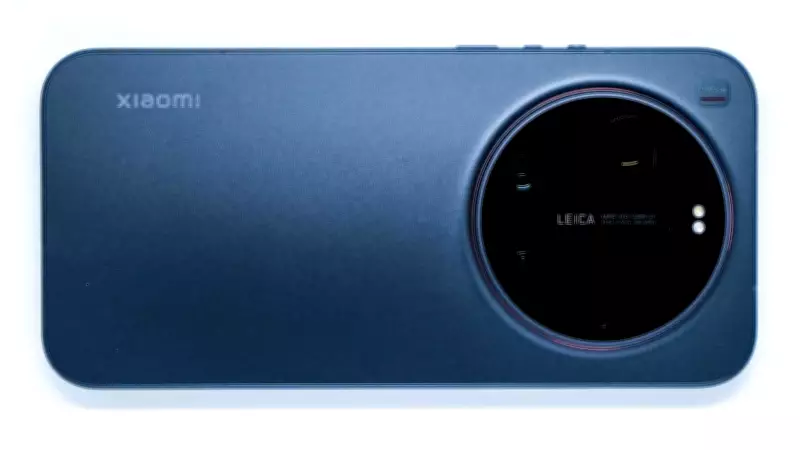
The Xiaomi 17 Ultra makes a distinct rattling sound when you pick it up, walk down stairs, or toss it onto a couch. This noise comes from its mechanical zoom lens shifting inside the housing, akin to loose change. Many might assume something is broken, but it is not. This is a genuine optical zoom lens, motorized and physically moving glass, covering 75mm to 100mm, housed in a camera module the size of a biscuit. No other smartphone currently offers this feature.
Camera System Overview
This detail underscores Xiaomi's approach: the 17 Ultra is not merely a phone with enhanced cameras; it is a comprehensive camera system that also functions as a phone. It features three Leica-tuned sensors: a 1-inch main sensor, a 200-megapixel telephoto, and a 50-megapixel ultrawide. These components perform tasks that most phones simulate through computational photography. Attach the optional grip, which includes a physical shutter button and exposure dial, and the device transforms, feeling less like a phone and more like a dedicated camera.
After weeks of testing in various conditions—street markets, dimly lit restaurants, harsh afternoon sunlight, and challenging sunsets—the cameras consistently delivered high-quality results. The rest of the phone remained unobtrusive, allowing the photography experience to take center stage.

Shooting Experience and Image Quality
The main camera, equipped with a 1-inch sensor and f/1.67 lens, excels in mixed lighting scenarios. For instance, capturing silhouettes against late-afternoon water with backlighting presented a typical challenge where most phones would compromise highlights or shadows. The 17 Ultra maintained both, preserving dark, legible silhouettes and shimmering water without clipping. This performance is attributed to the 1-inch sensor and Xiaomi's LOFIC HDR technology, which captures highlight overflow in a single exposure.
Using the optional Pro grip enhances the shooting experience significantly. It provides a contoured handle, a shutter button with half-press focus, and a command dial for exposure compensation. This setup shifts the experience from taking photos on a phone to actively shooting, offering better stability and control.
In terms of color science, the Leica Authentic mode stands out with its less saturated profile, producing olive greens and amber warm tones. It includes a mild vignette and a contrast curve that emphasizes depth, reminiscent of Fujifilm's Classic Chrome. This mode offers a specific, considered look that reduces the need for extensive editing.
Telephoto Capabilities and Limitations
The 200-megapixel telephoto on a 1/1.4-inch sensor is a technically ambitious component, delivering some of the best images during testing. At 75mm, it flattens perspective and creates graphic compositions, such as a person walking along a beach with fishing boats in the background. In low light, it performs exceptionally well, maintaining sharpness and clean colors during night shows.
However, the telephoto has limitations. Its mechanical zoom range of only 25mm (75mm to 100mm) is narrow, often making it unnecessary to adjust within this window. The minimum focus distance of 30cm is a step back from previous models, and RAW capture is capped at 12.5 megapixels, with full 200-megapixel mode limited to JPEGs. These issues seem like software constraints that could be addressed in future firmware updates.
Ultrawide and Video Performance
The 50-megapixel ultrawide camera is the weakest of the trio, with a smaller sensor and no optical image stabilization. While daytime shots are adequate, low-light performance drops noticeably. For wide architectural shots, it serves its purpose but does not match the main or telephoto sensors.
Video capabilities are strong, supporting up to 4K at 120fps with Dolby Vision and Log recording. Footage is clean and stable, with good dynamic range. However, gaps exist, such as the lack of a 24fps option for a cinematic look and limitations in 8K mode. The Pro grip's USB-C port is charging-only, preventing external microphone or SSD connections, which hinders its utility for serious videography.

Phone Specifications and Software
The Xiaomi 17 Ultra is a large, heavy device at 219 grams without the grip, exceeding 300 grams with it. Its 6.9-inch flat OLED display, protected by Victus 2 glass, offers 3,500 nits peak brightness and accurate color reproduction, essential for editing RAW files. The phone features a Snapdragon 8 Elite Gen 5 processor, 16GB of RAM, and a 6,000mAh battery, ensuring smooth performance even during intensive tasks like 4K video editing.
HyperOS 3 over Android 16 generally functions well but has quirks, such as separate panels for notifications and quick toggles. Pre-loaded apps like Facebook and Amazon are present, which can be removed but are an annoyance. AI tools are integrated throughout, including object removal and generative expand in the gallery, though they are rarely needed due to the hardware's capabilities.
Conclusion
The Xiaomi 17 Ultra is a standout device for photography enthusiasts. Its 1-inch main sensor, mechanical zoom telephoto, and Leica Authentic mode produce images with depth and character that rival dedicated cameras. The Pro grip enhances the shooting experience, making it feel more like a point-and-shoot. Priced at Rs 1,39,999, with the grip costing an additional Rs 19,999, it represents a significant investment.
While it has rough edges—such as the narrow zoom range, telephoto focus limitations, and software gaps—these do not overshadow its photographic prowess. For those who prioritize camera performance in a smartphone, the Xiaomi 17 Ultra is currently the top choice, blending convenience with quality that narrows the gap to traditional cameras.