In a groundbreaking fusion of technology and conservation, a Bengaluru-based startup named Moo Wants Stripes is tackling one of India's most persistent environmental challenges: human-wildlife conflict. Founded by the innovative trio of Anirudha Gala, Shubham Gala, and Shreyansh Gala, the company has developed a unique artificial intelligence system that identifies individual cattle by their unique stripe patterns, much like a tiger's stripes.
The Genesis of an Unusual Idea
The concept was born from a critical observation. Across India, particularly in regions bordering forests and protected areas, livestock predation by big cats like tigers and leopards is a major flashpoint. When a cow or buffalo is killed, it often leads to retaliatory actions against the endangered predators by distressed farmers. The core problem was the inability to quickly and accurately identify which specific animal was lost, leading to prolonged compensation processes and heightened tensions.
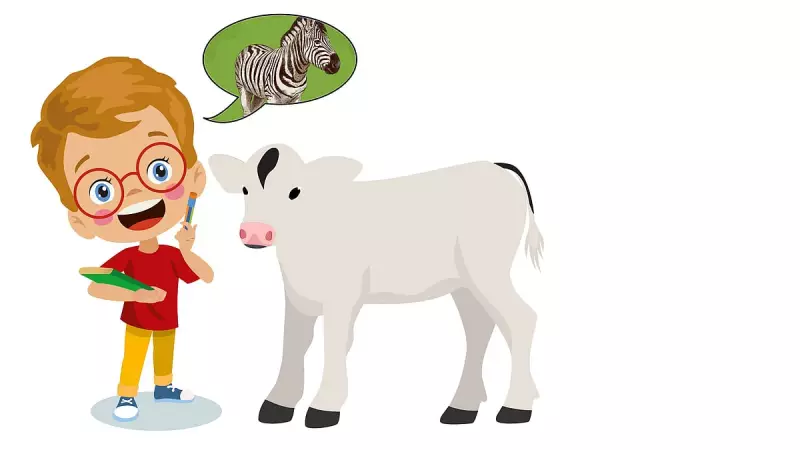
Moo Wants Stripes turned this problem on its head. They realized that cattle have unique stripe patterns on their backs—patterns that are as distinctive as a human fingerprint or a tiger's stripes. Their AI-powered platform allows farmers to simply upload a photo of their cattle. The sophisticated algorithm then analyzes the stripe pattern, creating a digital identity for each animal. This system, effectively a "Cattle ID" or "Moo ID," enables seamless tracking and management of livestock.

How the Technology Works to Prevent Conflict
The application of this technology is where its true conservation value shines. When a predation incident occurs, forest department officials or farmers can use the Moo Wants Stripes app to identify the exact animal that was killed. This swift and irrefutable identification serves multiple crucial purposes.
Firstly, it accelerates the insurance and compensation process for the farmer. Instead of waiting for days or weeks for verification, the digital proof facilitates immediate action, providing financial relief and reducing the farmer's economic distress. Secondly, and most importantly, it removes a key driver of retaliation. With proof of loss established and compensation underway, the impulse to seek vengeance against the tiger or leopard diminishes significantly.
The startup's work directly supports the goals of Project Tiger and broader wildlife conservation efforts by creating a more harmonious interface between rural communities and forest ecosystems. By addressing the economic and emotional pain points of farmers, the technology builds local support for protecting the very predators that sometimes threaten their livelihood.
Beyond Conflict: A Holistic Cattle Management Platform
While conflict mitigation is a flagship application, Moo Wants Stripes offers a broader suite of benefits for the agrarian economy. Their platform functions as a comprehensive digital health and management card for cattle. It can store and track vital information including:
- Vaccination records and medical history.
- Breeding and calving cycles.
- Milk production data.
- Location and movement history.
This digital transformation empowers farmers with data-driven insights to improve animal husbandry practices, enhance productivity, and secure better economic value for their livestock. The startup represents a prime example of "Conservation Technology" or "ConsTech," where digital tools are deployed specifically to solve environmental and ecological challenges.
The Road Ahead for Tech-Driven Conservation
Since its inception, Moo Wants Stripes has been gaining recognition for its innovative, practical, and scalable solution. The model demonstrates how homegrown Indian innovation can address uniquely Indian problems with global relevance. Human-wildlife conflict is not confined to India; it is a worldwide issue in conservation areas.

The success of this Bengaluru startup points to a future where technology acts as a bridge between human needs and ecological preservation. By leveraging something as simple as the natural patterns on a cow's back, Moo Wants Stripes is helping to ensure that both cattle and striped predators can coexist more peacefully in the shared landscapes of modern India.