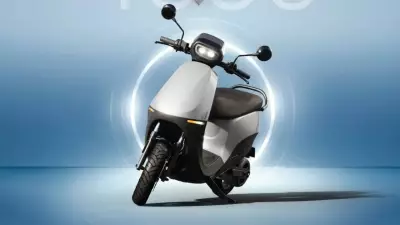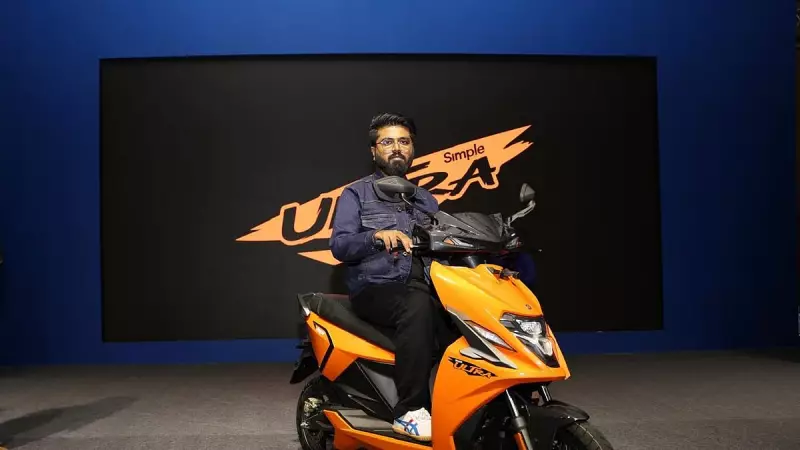
In a move set to redefine the benchmarks for electric two-wheelers in India, startup Simple Energy has introduced a new electric scooter boasting an unprecedented certified range of 400 kilometers. The announcement, made on January 5, 2026, signals a significant leap in the domestic EV landscape, focusing squarely on eliminating range anxiety for potential buyers.
Record-Breaking Performance and Specifications
The centerpiece of this revolutionary e-scooter is its massive 6.5-kilowatt-hour (kWh) battery pack, which the company claims is the largest ever fitted on an electric scooter in the country. This powerhouse enables the scooter to achieve an IDC (Indian Driving Cycle) range of 400 km on a single charge, a figure that far surpasses most current market offerings.
Beyond just range, the scooter promises thrilling performance. It is capable of reaching a top speed of 115 kilometers per hour, making it suitable for highway riding. Its acceleration is equally impressive, with the ability to sprint from 0 to 40 kmph in just 2.77 seconds, ensuring quick getaways in city traffic.

Market Anticipation and Pending Details
While the technical specifications have generated considerable excitement among EV enthusiasts and industry watchers, Simple Energy has kept the market rollout strategy under wraps. As of the announcement on January 5, 2026, specific details regarding the scooter's pricing, exact launch date, and delivery timelines are yet to be officially announced.
The development was reported by journalist Hrithik Kiran Bagade, highlighting the industry's keen interest in this potential game-changer. The company's move is seen as a direct challenge to established players and a bold statement in the rapidly evolving electric two-wheeler segment.
Implications for the Indian EV Ecosystem
The introduction of an e-scooter with such a formidable range and performance metrics addresses two of the most significant barriers to EV adoption in India: range anxiety and the perception of compromised performance. A 400-km range effectively means most users would need to charge the vehicle only once a week or even less frequently for daily commutes.
This launch is expected to intensify competition and push other manufacturers to innovate further, particularly in battery technology and energy density. The success of this model could accelerate the shift towards electric mobility, contributing to reduced emissions and lower running costs for consumers.
All eyes are now on Simple Energy to reveal the final product, its price point, and service network, which will be crucial factors in determining its market success against established competitors.