

In a significant shift reshaping global talent flows, technology professionals are increasingly abandoning the United States for India, driven by mounting frustrations with tighter visa regulations and soaring costs. This reverse migration trend is seeing skilled workers return to their home countries, opting for domestic opportunities over the American dream.
LinkedIn Data Reveals Dramatic Shift
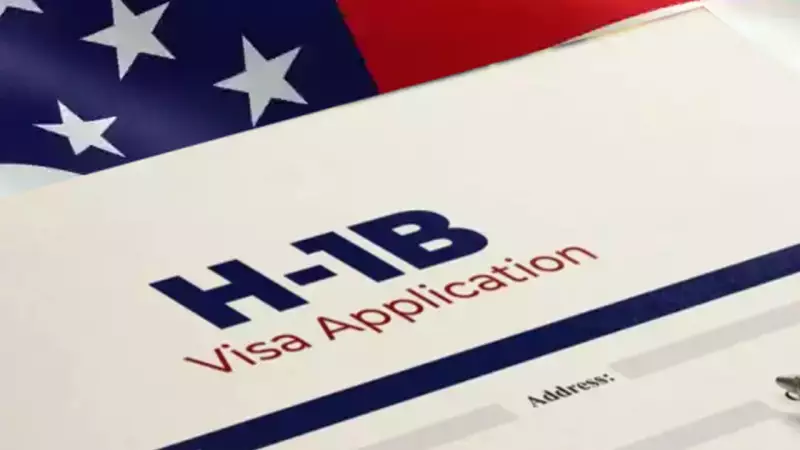
US investor Hany Girgis recently highlighted this movement in a social media post, referencing LinkedIn figures that show a striking 40 per cent increase in tech professionals changing their location to India during the third quarter of 2025. Girgis pointed to a Bloomberg article detailing how stricter H-1B visa rules and substantially higher filing fees—now reaching $100,000—have significantly reduced the influx of foreign tech workers into the US.
"Some engineers are choosing to leave or not come at all," Girgis noted, summarizing the trend as leading to "less visa dependency in the US" and "more domestic tech growth in India." He emphasized that global talent is "rebalancing, not disappearing," as professionals seek alternatives amid challenging US immigration policies.

Five Key Factors Driving Reverse Migration
Girgis outlined five major elements contributing to this exodus:
- LinkedIn data confirms a 40% surge in tech professionals relocating to India in Q3 2025
- Tighter H-1B regulations and increased fees have curtailed foreign tech worker entry into the US
- Many foreign-born engineers are opting to depart the US or avoid it entirely
- India is gaining advantages as tech jobs, teams, and investment capital shift back home
- Indian tech organizations acknowledge the trend, though precise returnee numbers remain difficult to quantify
Historical Context: From Golden Ticket to Growing Barriers
For decades, the H-1B visa was perceived as a golden ticket for Indian professionals pursuing careers in Silicon Valley and across America. However, political voices advocating "America First" policies, such as Marjorie Taylor Greene and Rob DeSantis, have consistently expressed discontent with the program. They argue that the visa system permits foreigners to unfairly compete for jobs that should belong to native Americans.
Compounding these concerns, reports indicate that Indian workers often accept lower average salaries compared to their American counterparts in similar positions. This economic dynamic has enabled companies to utilize H-1B visas as a source of cost-effective and efficient labor.
Policy Changes Under the Trump Administration
Recent policy adjustments implemented during US President Donald Trump's administration have further diminished the appeal of the H-1B program. In September, the administration escalated application fees to $100,000, creating substantial financial hurdles. Foreign-born professionals now encounter greater uncertainty, even when legally employed in the United States.
Additionally, intensified social media screening processes scrutinize digital footprints for any perceived "un-American" elements, potentially barring immigrants from entering the country. These measures have created a climate of apprehension among tech workers considering or maintaining US careers.
Success Stories: From Visa Rejection to Billion-Dollar Ventures
The experience of Kunal Bahl exemplifies how visa challenges can redirect talent toward extraordinary success in India. After earning an MBA from the University of Pennsylvania's Wharton School and securing a Microsoft internship, Bahl faced H-1B application rejection in 2007. At just 23 years old, he returned to India.
This setback proved transformative. Bahl co-founded Snapdeal, an e-commerce platform that eventually achieved a valuation of $6.5 billion. Today, through his venture fund, he supports other professionals navigating visa uncertainties, noting rapidly increasing interest from US-based founders. His journey underscores a broader pattern: companies that previously hired Indian engineers in America are now increasingly establishing teams within India itself.

Implications for Global Tech Ecosystems
This reverse migration carries profound implications for both the United States and India. While the US may experience short-term reductions in foreign tech talent, India stands to benefit from accelerated domestic innovation, enhanced skill pools, and increased investment. The rebalancing Girgis describes suggests a more distributed global tech landscape, where talent circulates according to opportunity and accessibility rather than concentrating in traditional hubs.
As Indian tech groups validate this shift, the narrative evolves from one of loss to one of strategic realignment. Professionals are not merely leaving; they are redirecting their expertise toward growing markets, fostering a more resilient and diversified international technology sector.





