

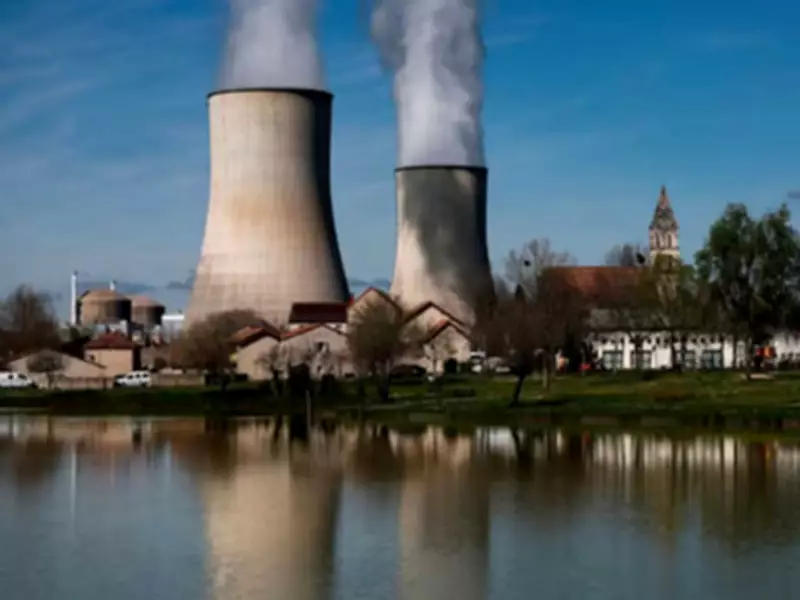
Dhaka: Bangladesh on Tuesday entered the era of nuclear power generation as its Rooppur Nuclear Power Plant began fuel loading in its VVER-1200 reactor. This is the latest Russian Gen III+ pressurised water reactor technology, which India is also considering for its future nuclear power projects, including new units at Kudankulam.
Fuel Loading Commences at Rooppur
Fuel loading was carried out for the first unit of the plant in Pabna, approximately 160 km from the capital Dhaka. Built by Russia's state-run nuclear corporation Rosatom, the 2.4 GW plant (comprising two 1200 MW units) aims to supply 10-12% of the country's electricity. The first unit is expected to be formally and legally transferred to Bangladesh for operations before the end of 2026.
Strategic Importance for Bangladesh
Bangladesh's Science and Technology Minister Fakir Mahbub Anam stated that the Rooppur NPP will play a vital role in ensuring national energy security, accelerating industrialisation, and fostering the growth of a technology-driven economy. The project is being built at a cost of around $13 billion, with Russia providing a state loan covering 90% of that amount.

Commissioning Process
The loading phase is the first step in the unit's commissioning stage, followed by bringing the reactor to a stable controllable power level. Officials mentioned that generation will start at low levels, with full output not anticipated until 2027.
Implications for India
In India, the Kudankulam plant already has two Russian VVER 1000 pressurised water reactors in commercial operation since 2014. Two additional units—Units 7 and 8—with larger VVER-1200 reactors have been proposed for the fourth phase of the plant. Last year, Rosatom indicated that technical specifications for constructing a new Russian-designed nuclear power plant in India with VVER-1200 reactor units are currently being prepared.

