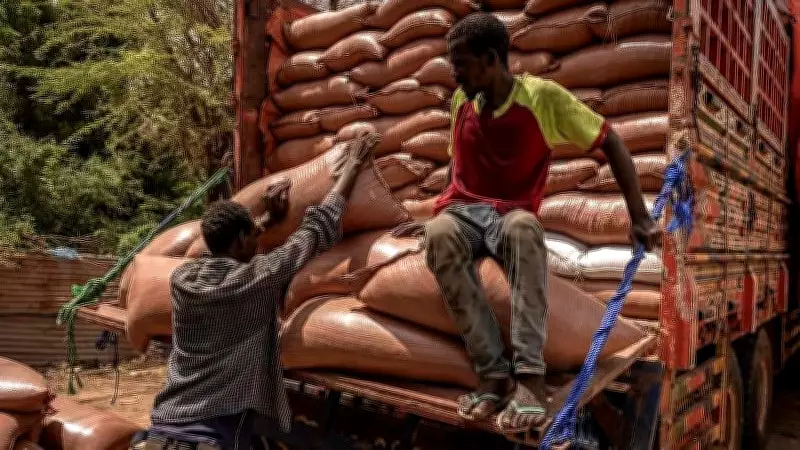
A catastrophe is unfolding in some of the world's most vulnerable regions, with Dollow emerging as a stark example of the crisis. The town, which had not been prioritized for relief, is now witnessing a rapid deterioration in living conditions. Inside the camps, thousands of tents still stand, but the support that once sustained families is disappearing. Cash grants for food are being slashed, leaving many without means to purchase basic necessities. Health clinics, already stretched thin, are now bereft of essential medicines and staff, compounding the suffering of the displaced population.
Vanishing Aid and Its Consequences
The reduction in aid has had immediate and severe impacts. Families who relied on cash transfers to buy food are now facing hunger. The loss of medical supplies and personnel means that treatable illnesses are becoming life-threatening. The situation in Dollow is a microcosm of a broader trend affecting vulnerable communities worldwide, where funding shortfalls and logistical challenges are exacerbating existing hardships.
International Response Under Scrutiny
As the crisis deepens, questions are being raised about the effectiveness of international aid mechanisms. The international community's failure to sustain support for Dollow highlights systemic issues in how aid is allocated and delivered. Without urgent intervention, the situation is expected to worsen, potentially leading to a full-blown humanitarian catastrophe.

The plight of Dollow serves as a warning: without sustained commitment and resources, the world's most vulnerable places will continue to suffer. The time to act is now, before the crisis spirals beyond control.