

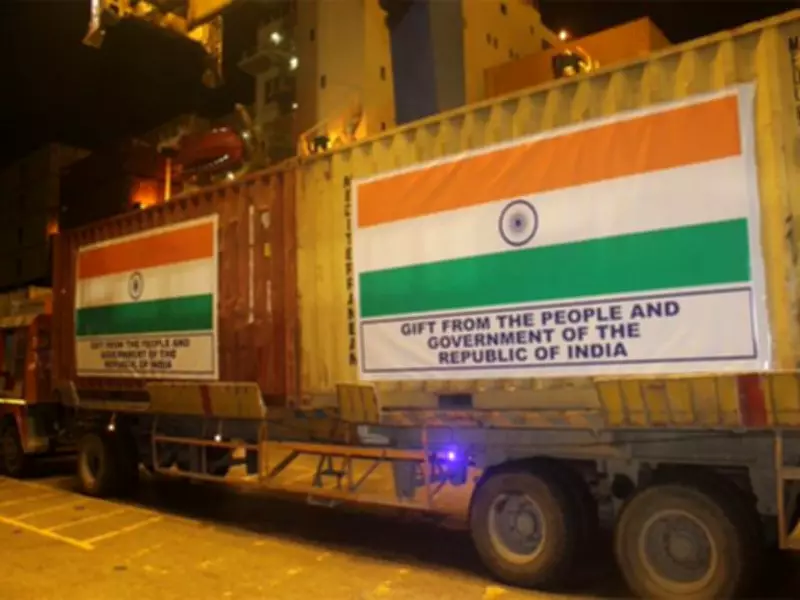
India Extends Humanitarian Aid to Malawi with 1,000 Metric Tons of Rice
In a significant gesture of international solidarity, India has dispatched a substantial shipment of 1,000 metric tons of rice to Malawi. This humanitarian aid is aimed at bolstering food security in the African nation, which is currently grappling with severe drought conditions exacerbated by the El Niño weather phenomenon. The initiative underscores India's commitment to supporting vulnerable communities worldwide and strengthening diplomatic relations with partner countries.
Addressing Critical Food Insecurity Amid Climate Challenges
The El Niño-induced drought has severely impacted agricultural productivity across Malawi, leading to widespread crop failures and escalating food shortages. This climatic event, characterized by unusually warm ocean temperatures in the Pacific, has disrupted rainfall patterns, resulting in prolonged dry spells that threaten the livelihoods of millions. In response, India's timely provision of rice is expected to alleviate immediate hunger and malnutrition, providing a crucial lifeline to affected populations. The aid shipment reflects a proactive approach to addressing the interconnected challenges of climate change and food scarcity, highlighting the urgent need for global cooperation in mitigating such crises.
Strengthening Bilateral Ties and Global Partnerships
This aid delivery is not merely a humanitarian act but also a strategic move to reinforce the longstanding bilateral relationship between India and Malawi. Over the years, the two nations have collaborated on various developmental projects, including agriculture, healthcare, and education. By extending support during this critical juncture, India reaffirms its role as a reliable partner in Africa's socio-economic progress. Moreover, this initiative aligns with broader international efforts, such as the United Nations Sustainable Development Goals, which emphasize eradicating hunger and promoting sustainable agriculture. It showcases India's growing influence in global affairs and its dedication to fostering a more resilient and equitable world.

Implications for Future Climate Resilience and Food Security
The ongoing drought in Malawi serves as a stark reminder of the vulnerabilities faced by developing nations in the face of climate variability. India's aid package, while addressing immediate needs, also underscores the importance of building long-term resilience against such environmental shocks. Experts suggest that investments in climate-smart agriculture, water management systems, and early warning mechanisms are essential to mitigate future risks. As countries worldwide grapple with the impacts of climate change, collaborative initiatives like this rice shipment can serve as a model for international aid, emphasizing the need for timely, targeted, and sustainable interventions to ensure food security for all.

