

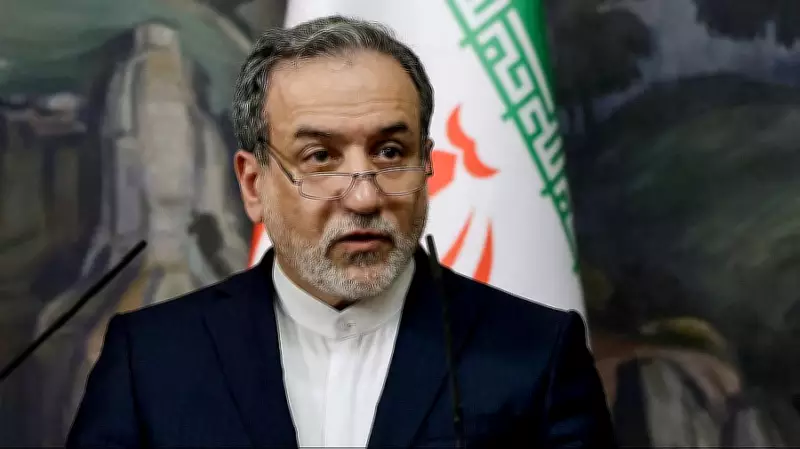
Iran's Foreign Minister met with Pakistan's Army Chief General Asim Munir upon returning to Pakistan, as uncertainty continues to surround peace negotiations between the United States and Iran. The meeting, held in Islamabad, was not officially announced by Pakistani authorities, but it is understood to have centered on Islamabad's ongoing mediation efforts to facilitate a second round of talks between Washington and Tehran.
Focus on Mediation Efforts
The encounter between the Iranian Foreign Minister and General Munir underscores Pakistan's role as a potential intermediary in the delicate diplomatic process. Sources indicate that the discussion primarily revolved around the progress and challenges of arranging the next round of US-Iran dialogue. Pakistan has been actively seeking to bridge differences between the two nations, aiming to de-escalate tensions that have persisted for years.
Uncertainty Over US-Iran Talks
The peace talks between the United States and Iran have faced numerous hurdles, with both sides expressing skepticism about the other's intentions. The first round of discussions, held earlier this year, failed to produce a breakthrough, leaving the prospect of a second meeting uncertain. Pakistan's efforts to mediate come at a critical juncture, as regional stability and global energy markets are closely tied to the outcome of these negotiations.

While no official statements have been released regarding the specific outcomes of the meeting, the visit signals continued diplomatic engagement. The Iranian Foreign Minister's return to Pakistan and his immediate meeting with the army chief highlight the importance Islamabad places on its role as a facilitator.
Regional and Global Implications
Any progress in US-Iran talks could have far-reaching implications for the Middle East and beyond. A potential agreement might address key issues such as Iran's nuclear program, regional security, and economic sanctions. Pakistan, as a neighboring country with strong ties to both the US and Iran, is uniquely positioned to assist in dialogue. However, the path forward remains fraught with challenges, including deep-seated mistrust and divergent strategic interests.
Observers will be watching closely for any signs of movement in the coming weeks. The meeting between the Iranian Foreign Minister and General Munir may represent a step toward reviving the stalled peace process, but much depends on the willingness of both Washington and Tehran to engage constructively.






