

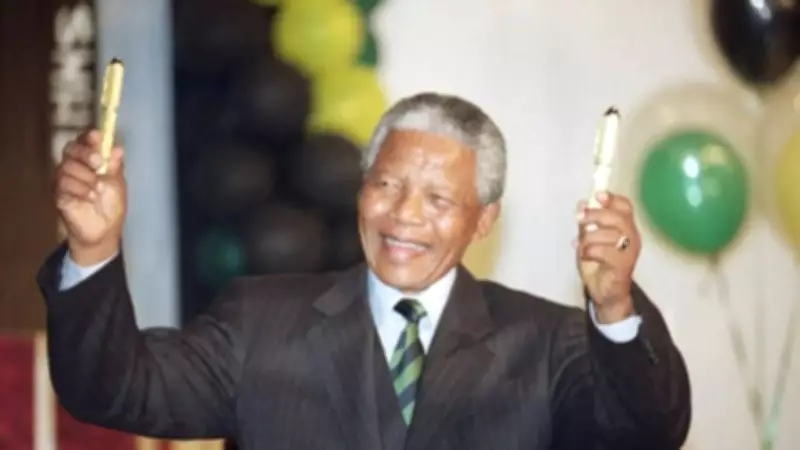
Nelson Mandela's Timeless Wisdom: Why Making a Difference Defines a Meaningful Life
In a world where success is frequently gauged by wealth, accolades, or fame, certain ideas stand out for their simplicity and depth. One such idea originates from Nelson Mandela, a figure whose life and work transformed not only South Africa but also global conversations on justice, equality, and human rights.
The Core Message of Mandela's Quote
Mandela famously stated, "What counts in life is not the mere fact that we have lived. It is what difference we have made to the lives of others." This quote redirects attention from individual achievements to collective well-being, emphasizing that true significance lies in how our actions, behavior, and presence influence those around us.
Despite today's hyper-connected societies, this message remains profoundly relevant, providing a clear and actionable framework for understanding duty and purpose in everyday life. Essentially, it argues that life transcends mere existence; a meaningful life is one dedicated to aiding others, not measured by longevity or possessions but by the positive ripple effects of our deeds.

The Life Behind the Words
To fully grasp the quote's importance, one must consider Mandela's own journey. Born in 1918 in South Africa, he emerged as a pivotal leader in the struggle against apartheid, a system of institutionalized racial segregation. His relentless activism led to 27 years of imprisonment, yet he persisted in advocating for peace and equality.
Upon his release in 1990, Mandela played a crucial role in dismantling apartheid and became South Africa's first Black president in 1994. His leadership focused on healing a deeply divided nation, and the challenges he faced shaped his philosophy. The quote is not abstract; it springs from real-life sacrifices and triumphs that impacted millions, underscoring the value of perseverance and selflessness for the greater good.
Redefining Success in Modern Contexts
Many cultures prioritize markers like career advancement, financial security, or public recognition as indicators of success. Mandela's perspective, however, invites a reevaluation of these norms. It suggests that success should be assessed by the good one contributes to others, a principle visible in daily life.
For instance, a teacher nurturing students' growth leaves a lasting societal imprint, while a healthcare worker supporting patients directly alters lives. Even minor acts, such as assisting a neighbor or colleague, embody this ethos. By highlighting impact over income, the quote broadens the definition of success to encompass communal benefits.
The Role of Relationships and Community
Mandela's words also underscore the significance of interpersonal connections. Humans are interlinked through work, family, and society, meaning actions rarely occur in isolation; they often reverberate across networks. This quote encourages reflection on these bonds, promoting relationships built on respect and understanding.
Communities that foster mutual support tend to be more resilient and stable. Making a difference need not involve grand gestures; it can begin with small, consistent efforts that cultivate trust, cooperation, and assistance, strengthening the social fabric.
Applying the Idea in Contemporary Life
Today's world presents unique challenges and opportunities. While technology enhances communication and access to information, it also creates fast-paced environments that can fragment attention. In such settings, focusing on genuine impact becomes even more critical.
For students, this might involve pursuing education that benefits future communities. Professionals can prioritize ethical conduct and accountability, and businesses might develop fair, sustainable systems. The quote's versatility makes it applicable across various roles and life stages, offering timeless guidance.
Understanding Impact and Long-Term Commitment
Impact manifests in diverse ways, from direct actions like emergency aid or volunteering to indirect contributions such as innovation or systemic improvements. The key is intentionality and consistency, as lasting positive effects typically stem from sustained efforts over time.

Mandela's life exemplifies this pattern, demonstrating how long-term dedication can drive societal transformation. This viewpoint helps recognize that meaningful contributions often unfold gradually, requiring patience and perseverance.
Historical and Societal Lessons
Throughout history, numerous individuals—from leaders and teachers to scientists and social workers—have embodied Mandela's message by striving to aid others. Their stories illustrate how one person's actions can influence distant people and events, sparking social movements, policies, and new ideas.
Mandela's quote aligns with this broader narrative, affirming that such contributions are what render life worthwhile, connecting personal purpose to collective progress.
The Importance of Empathy and Responsibility
Empathy, the capacity to comprehend and address others' needs, is fundamental to making a difference. Without it, individuals may overlook opportunities to contribute. Responsibility complements this by encouraging mindful consideration of actions' consequences.
Mandela's quote intertwines these concepts, highlighting how personal choices affect the wider community. This approach fosters a balanced awareness of both rights and societal duties.
Why the Quote Endures
Decades after its utterance, this quote remains prevalent in speeches, education, and public discourse. Its enduring relevance stems from its simplicity and depth; the message is accessible yet rich with interpretation.
Additionally, its connection to Mandela's lived experiences provides a tangible example, making it relatable and actionable. People tend to remember messages that are straightforward yet profound, avoiding unnecessary complexity.
Other Notable Quotes by Nelson Mandela
- "Education is the most powerful weapon which you can use to change the world."
- "It always seems impossible until it’s done."
- "I never lose. I either win or learn."
- "After climbing a great hill, one only finds that there are many more hills to climb."
- "Freedom is not merely to cast off one’s chains, but to live in a way that respects and enhances the freedom of others."
A Broader Perspective on Purpose
Mandela's insight prompts a deeper reflection on life's direction, advocating for a blend of personal aspirations and altruistic impact. Purpose, in this view, involves seeking opportunities to assist others and leveraging them for communal benefit.
Adopting this mindset doesn't necessitate drastic life changes; it can commence with small, regular actions that accumulate into significant contributions over time, fostering a more balanced and compassionate existence.
Final Takeaway
Nelson Mandela's quote, "What counts in life is not the mere fact that we have lived. It is what difference we have made to the lives of others," serves as a powerful reminder that life's value extends beyond mere survival. By concentrating on actions that uplift others, individuals can fortify communities and promote societal harmony.
This message retains its potency across eras and cultures, illustrating how personal deeds can influence collective well-being, urging us all to strive for a legacy of positive change.
