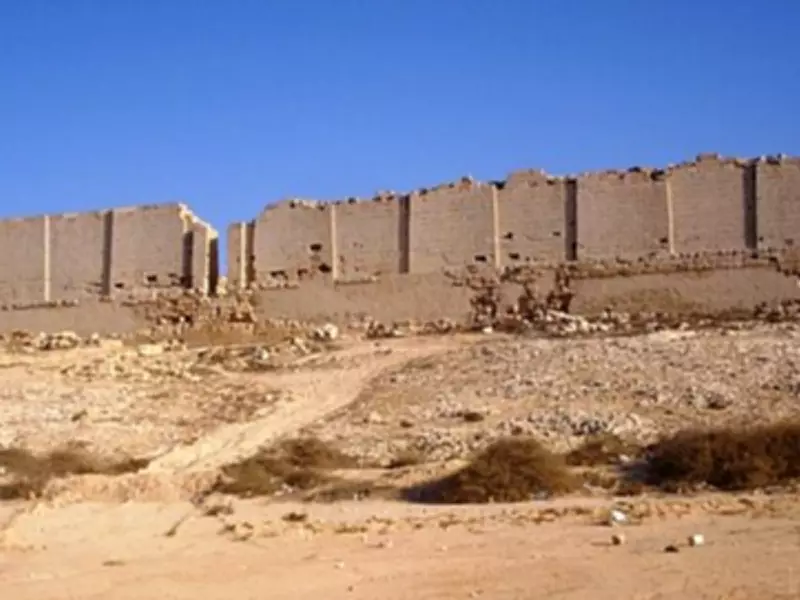
Archaeologists have unearthed a massive underground tunnel stretching 4,300 feet beneath Egypt's ancient temple of Taposiris Magna. This remarkable discovery is set to thrust the site back into the global spotlight, adding a new dimension to ongoing excavations.
A Discovery That Transforms the Site
The tunnel fundamentally alters the perception of Taposiris Magna, transforming it from a mere ancient monument into a layered landscape still revealing its secrets. It raises intriguing questions about its construction, purpose, and the people who built it, as well as why this temple remained active for centuries. This single underground find has made an already famous temple feel newly incomplete.
A Complex Archaeological Landscape
Taposiris Magna has long drawn global attention due to its historical significance. According to Harvard University, it was a strategically located settlement within the bustling Mareotis Lake harbor complex, occupied since the early 3rd century BC. This period indicates the temple was part of a vibrant ancient world of trade, travel, and religious activity. The presence of such a tunnel suggests the site was surrounded by diverse elements connected to ancient life. The harbor connections, active temple use, and long occupation make it difficult to explain with a single theory, and the tunnel adds another piece to the puzzle.

Artifacts That Keep the Story Alive
This discovery is not the only one making Taposiris Magna relevant today. The 2025 excavation report from New York University revealed 337 ancient coins, a marble statue, and ritualistic vessels. These artifacts prove that many interesting findings remain. An expert suggested the coins may depict Cleopatra, drawing attention from those interested in the late Ptolemaic era. However, the university remains cautious, focusing on further interpretation rather than claiming a confirmed royal burial.
Why a Tunnel Changes Everything
A tunnel can be as significant as an imposing temple wall, as it alters how people move through the site. At Taposiris Magna, this immense tunnel provides physical evidence of movement beneath the surface. Its existence hints at deliberate planning and immense human effort for a worthwhile purpose. It deepens the mystery, raising basic questions: Who built it? When? What was its exact purpose? Was it part of temple use or connected to harbor activity?
A Mystery Buried for Too Long
Archaeological studies often lack clear direction, but this finding encourages further exploration of what lies hidden under the sand. Taposiris Magna was never abandoned; its development was influenced by trade routes, the harbor, and numerous changes over centuries. This new tunnel gives researchers another way to recover what time has buried.