

NCST Member Dr Asha Lakra Conducts Ground-Level Review of Tribal Welfare in HD Kote
In a significant move to assess grassroots implementation of welfare schemes, Dr Asha Lakra, a member of the National Commission for Scheduled Tribes (NCST), undertook an extensive field visit to HD Kote taluk in Mysuru district on Tuesday. The visit focused on direct engagement with tribal communities and a thorough review of ongoing initiatives aimed at improving their socio-economic conditions.
Empowering Women Through Collective Enterprise
During her tour, Dr Lakra interacted with Jenu Kuruba women who manage a successful millet store near HD Kote. This collective enterprise has transformed from a small venture into a model for sustainable livelihood and women's empowerment. A beneficiary named Ratnamma shared her inspiring journey, detailing how she transitioned from migrating for strenuous daily wage labour to achieving financial stability through this group initiative.
The store, operated entirely by women, has demonstrated remarkable success in fostering economic independence within the tribal community.

Commitment to Rights and Dignity
Addressing a gathering of community members, Dr Lakra reiterated the NCST's unwavering commitment to safeguarding the rights and dignity of Scheduled Tribes across even the most remote hamlets. She urged residents to report any instances of exploitation, discrimination, or harassment directly to the commission, ensuring their voices are heard and grievances addressed promptly.
Strategic Recommendations for Economic Growth
To further strengthen economic self-reliance among tribal populations, Dr Lakra proposed several strategic measures:
- Advanced training programs in food processing techniques to add value to local produce.
- Implementation of geo-tagging for tribal products to enhance traceability, authenticity, and market value.
- Establishment of online marketing platforms in collaboration with organizations like Sahakar Bharati to expand market reach.
These recommendations aim to create a more robust and sustainable economic ecosystem for tribal entrepreneurs.
Addressing Local Concerns at Prakruthi Food Unit
Dr Lakra visited the Prakruthi food products unit in Jaganakote Haadi, where women produce various ragi-based products, generating monthly sales of approximately Rs 1.5 lakh. During the interaction, community members raised serious concerns about illegal liquor sales adversely affecting village life and youth. Taking immediate note, Dr Lakra directed excise officials to conduct surprise raids and implement stringent measures to curb such illicit activities.
Focus on Education and Skill Development
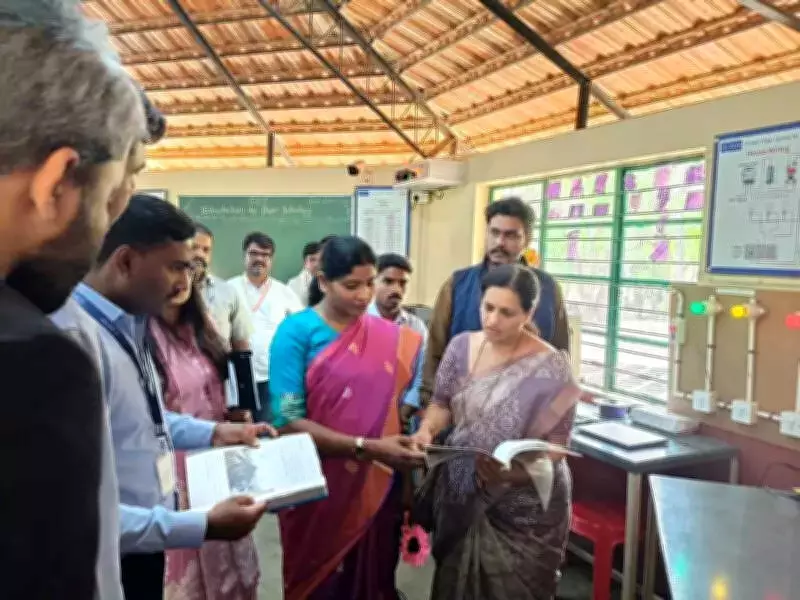
The visit also included an inspection of Viveka School of Learning in Hosahalli. Dr Lakra reviewed the facilities and emphasized the importance of skill-based training for girls. She encouraged programs in mechanical tools and tailoring, supported by Tribal Sub-Plan (TSP) grants, to equip young women with practical skills for better employment opportunities.
Dr Lakra was accompanied throughout the visit by officials from the tribal welfare department and representatives of the Swami Vivekananda Youth Movement, ensuring a collaborative approach to addressing community needs.
This comprehensive field visit underscores the NCST's proactive approach in bridging policy and practice, ensuring that welfare initiatives effectively reach and benefit tribal communities at the grassroots level.

