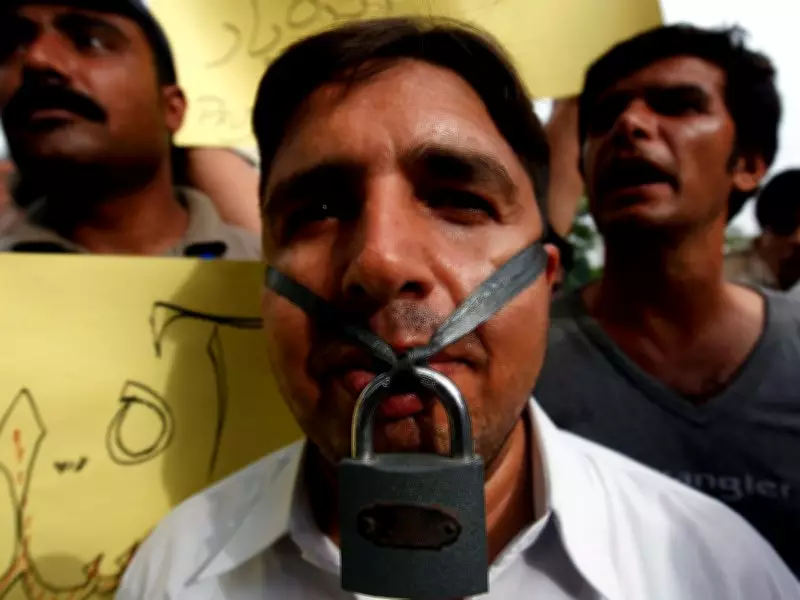
A Pakistani journalist has been imprisoned under the Prevention of Electronic Crimes Act (PECA), a law that critics say is being used to stifle dissent and curb press freedom. The journalist, whose identity has not been disclosed, is the latest in a growing list of media professionals facing legal action under the controversial legislation.
Details of the Arrest
The arrest was carried out by the Federal Investigation Agency (FIA) on charges related to alleged violations of PECA. According to officials, the journalist was taken into custody for posting content deemed offensive or threatening to national security. However, human rights organizations and press freedom advocates argue that the charges are baseless and part of a broader crackdown on independent journalism.
Reactions from Press Freedom Groups
International bodies such as the Committee to Protect Journalists (CPJ) and Reporters Without Borders (RSF) have condemned the arrest. In a joint statement, they called on Pakistani authorities to release the journalist immediately and to repeal or amend PECA, which they say violates international standards on free expression.

Local media houses have also expressed solidarity, with many running editorials highlighting the deteriorating state of press freedom in Pakistan. The Pakistan Federal Union of Journalists (PFUJ) has announced plans to hold protests and legal challenges against the arrest.
Broader Implications for Press Freedom
This incident is not isolated. Over the past year, Pakistan has seen a surge in legal actions against journalists, including arrests, summons, and blocking of digital content. PECA, enacted in 2016, was originally designed to combat cybercrime but has been increasingly used to target political opponents and media critics.
Analysts warn that the current environment could have a chilling effect on investigative journalism and public discourse. The case also highlights the vulnerability of journalists in countries with vague or broadly defined cyber laws.
Government's Stance
Government officials defend the use of PECA, stating that it is necessary to maintain national security and prevent the spread of misinformation. They emphasize that the law applies equally to all citizens and that journalists are not above the law. However, critics counter that the law is being selectively enforced against those who challenge the government.
The arrested journalist is expected to appear in court within the coming days, where bail will be requested. The outcome of this case could set a precedent for future press freedom cases in Pakistan.