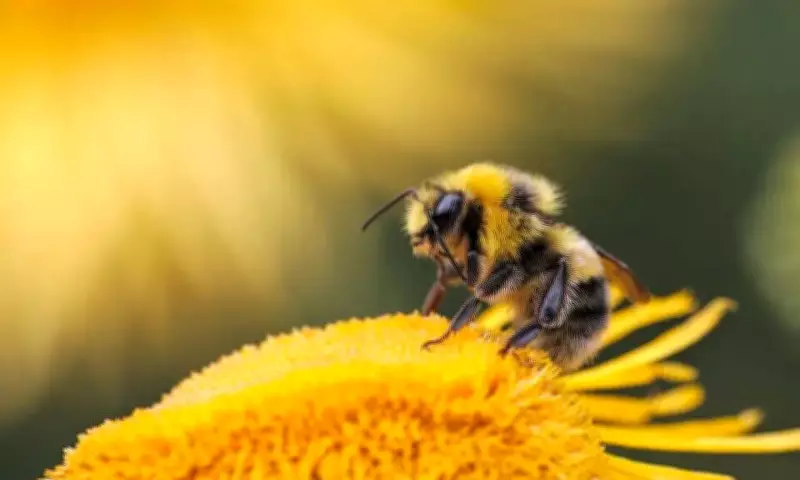
The Royal Society for the Prevention of Cruelty to Animals (RSPCA) is urging the public to assist in boosting dwindling bee numbers as part of its current World Bee Day campaign. This call comes after numerous conservation organizations and community members have established new bee habitats across the United Kingdom.
Bee Population Decline
According to the charity, the bee population has decreased by approximately one third over the last three decades. This decline puts the survival of many bee species at risk and adversely affects the pollination of crops such as broccoli, cabbage, and apples. Various reports on the RSPCA UK website and conservation projects associated with the South Downs National Park have highlighted issues related to bee population decline and new initiatives to create wildflower habitats for bees and other insects.
Bee Lines Project
Over 100 hectares of wildflower habitat are being established in the South Downs National Park as part of the Bee Lines project. The organizers aim to create corridors for bees in farms, recreational areas, schools, roadside verges, cemeteries, football clubs, and golf courses. These habitats are designed to benefit the dwindling bee population, which faces numerous environmental challenges.

Extinction Risks
The RSPCA reports that 13 species of bees have gone extinct in the UK, while 35 others are at risk of extinction. Furthermore, the charity's Animal Kindness Index reveals that less than half of the population—46 per cent—consider bees as sentient beings capable of experiencing physical and emotional sensations.
Bee Intelligence
Several scientific studies confirm that bees are highly intelligent in many respects. Confirmed behaviors include self-awareness, social learning, playing, and problem-solving. These findings are considered critical for the conservation of pollinators in natural environments.
Rebecca Machin, a British zoologist and wildlife expert associated with the RSPCA, stated, “Bees really are incredible insects; they do so much for us and have such a great level of understanding that people take for granted.” She added, “Bees can perform incredibly complex tasks, have fascinating social lives, and are essential pollinators. It's important to make sure we take care of them, and luckily everyone can do their bit to help.”
How to Help Bees
The charity promotes the idea of homeowners creating water stations for bees during warm weather. According to guidance from the RSPCA, one should use shallow containers filled with pebbles, ensuring that insects can easily land on them when drinking. The RSPCA suggests positioning the container next to flowering plants and adding fresh rainwater throughout the week.
Another piece of advice from wildlife experts is to plant nectar-filled and pollen-producing native flowering plants for bees at different times of the year. Environmentalists believe that small steps by individuals can make a significant difference.
Machin added, “We know that kind acts, however small, combine to create a more compassionate world. For bees, something as simple as planting native flowers, or creating a water station for them could go a long way in improving their welfare, and helping the population to thrive. These things make a real difference.”