

The Sahara Desert: A Misunderstood Hub of Biodiversity
Commonly perceived as a vast, lifeless expanse of sand, the Sahara Desert is, in fact, a vibrant habitat teeming with a remarkable diversity of life forms. Research reveals that this arid region supports a complex ecosystem where numerous species have evolved extraordinary adaptations to survive extreme conditions.
Scientific Insights into Sahara's Biological Richness
According to the study "Outline of the Biological History of the Sahara" published in the Journal of Arid Environments, the Sahara is home to approximately 70 mammal species, 90 bird species, and nearly 100 reptile species. These figures challenge the stereotype of the desert as barren and highlight its ecological significance.
Adaptation Strategies for Desert Survival
To thrive in this harsh environment, most animals have developed specialized mechanisms. Key adaptations include:

- Nocturnal behavior: Many species are active at night to avoid extreme daytime heat.
- Water conservation: Animals possess abilities to retain moisture and minimize water loss.
- Thermal tolerance: Species exhibit resistance to high temperatures through physiological and behavioral traits.
Some animals dig burrows during the day for protection from heat, while others can endure long periods without direct water sources.
Iconic Animals of the Sahara Desert
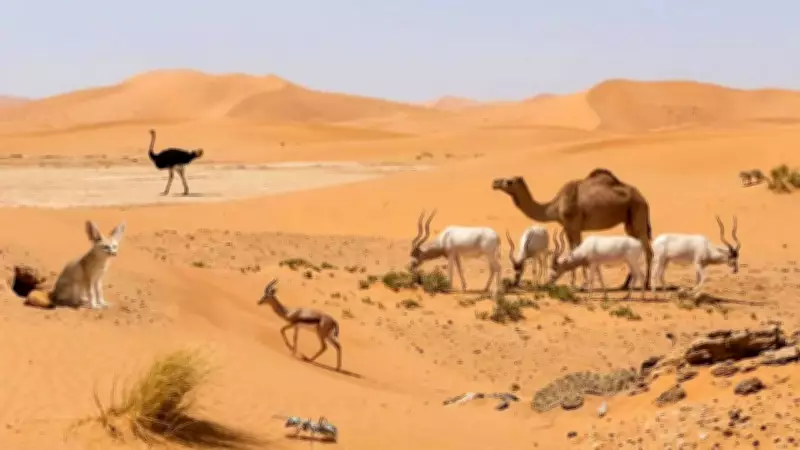
The Sahara's wildlife has adapted to extreme temperatures, scarce water, and limited vegetation through innovative survival methods.
Dromedary Camel
The dromedary camel is one of the most recognizable desert creatures, renowned for its ability to survive without drinking water for extended periods. Its hump stores fat as an energy source, and its body temperature regulation minimizes water loss, making it perfectly suited to arid climates.
Fennec Fox
This small, nocturnal fox is distinguished by its enormous ears, which serve dual purposes: releasing excess heat and detecting prey beneath the sand. By hunting at night, the fennec fox avoids the scorching daytime temperatures.
Addax Antelope
Native to African deserts, the addax inhabits areas devoid of water sources. It adapts by extracting moisture from plants and possesses white fur that reflects sunlight, aiding in heat management.
North African Ostrich
As the world's largest living bird, the North African ostrich can run at high speeds and survives in the desert by consuming seeds and vegetation found in dry regions.
Saharan Silver Ant
This insect is adapted to withstand high temperatures, with a lifespan that peaks during the hottest hours of the day, showcasing its unique thermal resilience.
Dorcas Gazelle
A gazelle species capable of living without water, the dorcas gazelle thrives in hot regions. Its lightweight body facilitates easy movement across sandy terrains, and it sustains itself on a plant-based diet.
Sand Cat
This wild cat inhabits desert areas, equipped with thick fur that insulates against both hot sands and cool nights. Primarily nocturnal, it hunts at night and rarely requires external water sources.
Saharan Horned Viper
A venomous snake that blends seamlessly with its surroundings, the Saharan horned viper digs into the soil for shelter. It employs ambush tactics to hunt and survives in extremely hot conditions.
The Sahara Desert's ecosystem demonstrates nature's ingenuity, with diverse species evolving to overcome environmental challenges. This biodiversity underscores the importance of conservation efforts in arid regions worldwide.

