

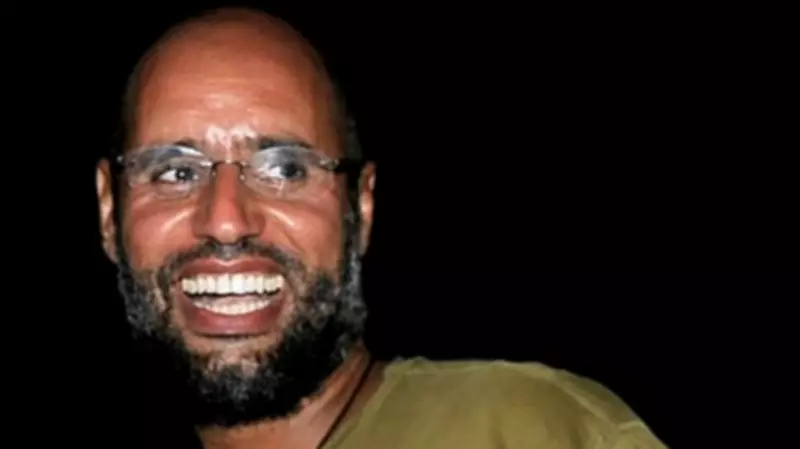
Saif al-Islam Gaddafi, the controversial son of Libya's longtime ruler Muammar Gaddafi, has died at the age of 53. His passing marks the end of a turbulent chapter in Libyan history, characterized by both brutal suppression and ambitious political aspirations.
From Heir Apparent to Political Pariah
Despite never holding an official government position, Saif al-Islam was widely regarded as the most influential figure in Libya after his father. Muammar Gaddafi ruled the oil-rich North African nation with an iron fist for over four decades, until his overthrow and death in 2011 during the Arab Spring uprisings.
A Legacy of Repression and Ambition
Saif al-Islam Gaddafi's political journey was marked by stark contradictions. He initially gained international attention as a potential reformer, but later became infamous for his role in crushing dissent during the 2011 Libyan civil war. His actions during that period drew widespread condemnation from human rights organizations and foreign governments.

Following his father's downfall, Saif al-Islam faced numerous legal challenges and periods of captivity. However, he never abandoned his political ambitions, making several attempts to stage a comeback in Libya's fragmented political landscape. These efforts ultimately proved unsuccessful, as he remained a polarizing figure unable to regain significant power.
The End of an Era
The death of Saif al-Islam Gaddafi represents more than just the passing of an individual; it symbolizes the closing of a significant era in Libyan politics. His life story reflects the complex dynamics of power, inheritance, and revolution that have shaped modern Libya.
As news of his death spreads, analysts are reflecting on what his legacy means for Libya's future. The country continues to struggle with political instability and division years after the Gaddafi regime's collapse.
While specific details surrounding his death remain unclear at this time, the confirmation of his passing has reignited discussions about Libya's turbulent recent history and uncertain political future.

