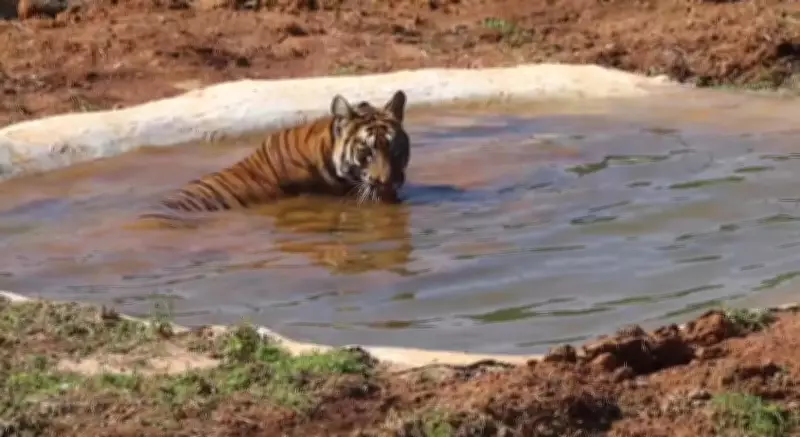
The success of the first phase of inter-state tiger translocation in Similipal Tiger Reserve has brightened the chances of a second phase, according to wildlife officials. The National Tiger Conservation Authority (NTCA)-approved plan entails bringing in five females and one male tiger in three phases. In the first phase, conducted in 2024, two tigresses named Zeenat and Yamuna were translocated. The second phase is scheduled to bring two females and one male, while the third phase will bring two tigresses.
Second Phase Plans for 2026
“For 2026, translocation of two tigresses and a male is on the cards, considering the success or failure of the first one,” said wildlife officials. Similipal field director Prakash Gogineni stated, “NTCA and state govt will take a call on the second phase based on the submission of a report by Similipal authorities about the translocation success of the first.”
Review Committee to Assess Progress
Wildlife officials revealed that a committee has been formed for the introduction of tigers. The committee includes an NTCA functionary, a scientist from the Wildlife Institute of India (WII), the principal chief conservator of forests (wildlife), and the Similipal field director. This committee will review the success and the journey of tiger introduction, particularly after Zeenat gave birth to four cubs.

“I am preparing a detailed report of the translocation from day 1 till Zeenat gave birth to the cubs. I will shortly submit the report with the PCCF (wildlife), who may forward it to the Centre (NTCA). Thereafter, a decision may be taken to proceed with the second phase of translocation,” said Gogineni.
Lessons Learned from Initial Challenges
Wildlife authorities noted that the way initial hiccups in the Similipal translocation were handled will influence the NTCA and WII’s decision. For instance, after Zeenat dispersed, she had to be re-wilded in a bigger enclosure effectively, avoiding the shock of tranquilisation twice. A wildlife officer explained, “It is basically to study and assess how the tiger introduction was handled and how the dispersing tiger was brought back. There are efforts behind the screen to make it a success. Coordination of field personnel, reining in of poachers, tech-based surveillance and planning made it a success. Also, it has been proved that tigers from the central India landscape can acclimatise well in Similipal, with Yamuna also settling in nearby Kuldhia Wildlife Sanctuary, although without a mate so far.”