

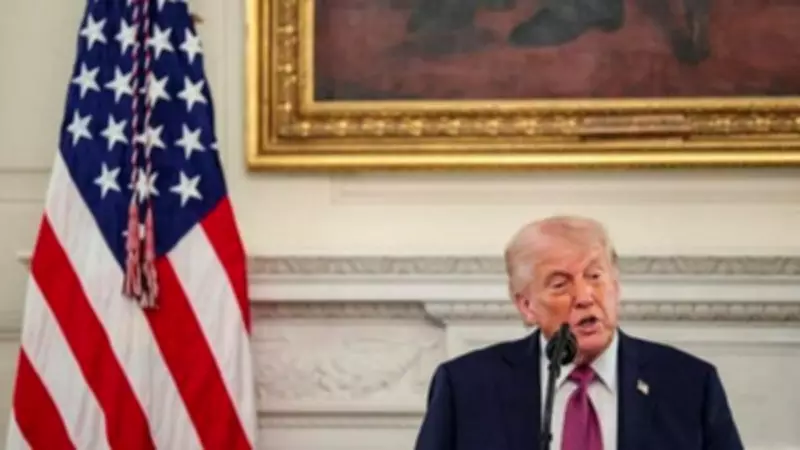
Former President Donald Trump has issued a directive to the United States Navy, authorizing them to shoot and kill any boat that is laying mines in the Strait of Hormuz. The announcement was made on 23 April 2026, emphasizing the seriousness of the threat posed by such activities in one of the world's most critical maritime chokepoints.
Increased Minesweeping Operations
Trump stated that US minesweepers are currently operating at a 'tripled up level' to clear any mines from the waters of the Strait of Hormuz. This intensified effort underscores the commitment to ensuring safe passage for commercial and military vessels through the strategic waterway.
Background and Context
The Strait of Hormuz, located between Oman and Iran, is a vital passage for approximately 20% of the world's oil supply. Any disruption in this area can have significant global economic repercussions. The directive comes amid heightened tensions in the region, with concerns over potential mining operations that could threaten international shipping lanes.

- Directive Details: The order explicitly permits the US Navy to use lethal force against any vessel found laying mines in the strait.
- Operational Status: Minesweeping operations have been ramped up to triple their previous capacity to detect and neutralize mines efficiently.
- Regional Impact: The move aims to deter any state or non-state actors from attempting to disrupt maritime traffic through the strait.
Reactions and Implications
The announcement has drawn mixed reactions globally. Some nations have expressed support for ensuring freedom of navigation, while others have criticized the aggressive stance. The US Navy has not yet released an official statement regarding the operational changes, but sources indicate that naval commanders have been briefed on the new rules of engagement.
This development is likely to escalate discussions at international forums, including the United Nations, regarding the legalities of using force in international waters. The Strait of Hormuz remains a flashpoint, and this order could redefine maritime security protocols in the region.

