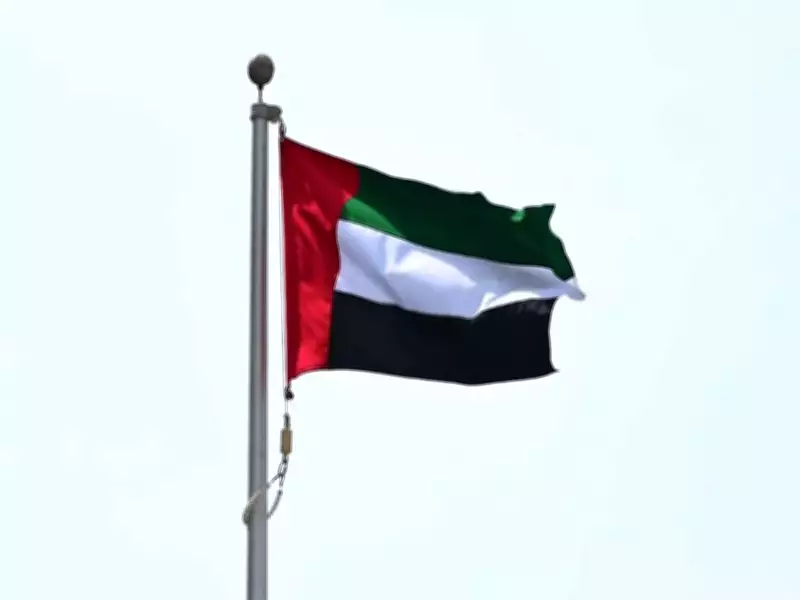
The United Arab Emirates has aligned with multiple Western and regional nations to express serious concerns regarding Iran's nuclear program and its failure to comply with international inspectors. This joint diplomatic action was detailed in a post on X by the UAE Mission to the UN, stating that the country joined Bahrain, Denmark, France, Germany, Greece, Latvia, the United Kingdom, the United States, and the European Union in a press stakeout that underscored their longstanding and serious concerns about Iran's nuclear program and its persistent non-compliance with safeguards obligations and cooperation with the International Atomic Energy Agency (IAEA).
Diplomatic Pressure Intensifies
This joint diplomatic effort preceded a crucial session of the United Nations Security Council's oversight body. The meeting was convened against the backdrop of direct military actions initiated by Tehran across the region. The UAE Mission noted that the meeting of the Security Council's 1737 sanctions committee took place following Iran's egregious attacks against its neighbors with thousands of drones and ballistic missiles.
Call for Rigorous Enforcement
In a direct bid to curb further regional escalation, the allied coalition strongly advocated for the rigorous enforcement of existing international mandates. The strategy is aimed specifically at restricting Iran's offensive military capabilities and logistics. The UAE Mission emphasized that the full implementation of the Security Council's sanctions on Iran would stymie its ability to continue such unlawful attacks.

In tandem with enforcing these stringent measures against Tehran, the participating member states pressed for structural rejuvenation within the United Nations oversight bodies. The coalition argued that a fully staffed mechanism is now imperative to address ongoing compliance issues effectively. The UAE stressed the importance of resuming the work of the 1737 Sanctions Committee and the prompt appointment of its Chair and Panel of Experts to ensure effective oversight of sanctions implementation and to address compliance issues.
Critical Juncture for Iran's Nuclear Program
These diplomatic maneuvers come at a time when Tehran's nuclear program has reached a highly volatile and critical juncture. The situation has been severely exacerbated by consecutive joint military operations conducted by the United States and Israel, alongside the definitive collapse of the 2015 JCPOA accord. Furthermore, friction has intensified due to the stringent limitations recently imposed on international monitoring frameworks.
Although Iran maintains that its nuclear development is intended solely for peaceful purposes, Western nations, alongside the IAEA, have raised serious alarms. They warn that Tehran's extensive reserves of highly enriched uranium have brought the country to the absolute brink of achieving nuclear weapons capability. The allied coalition's demand for strict UN sanctions reflects the urgency of preventing further escalation and ensuring regional stability.