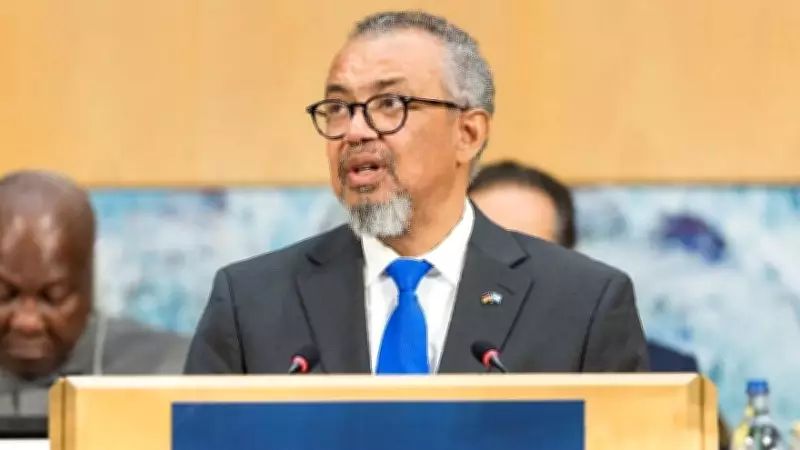
The World Health Organization (WHO) has reported 600 suspected cases of Ebola and 139 suspected deaths, with numbers expected to rise. WHO chief Tedros Adhanom Ghebreyesus declared the emergency over the weekend, marking the first time a WHO chief has taken such a step without first consulting experts.
Emergency Declaration
Tedros declared the emergency at the weekend, a move that has drawn attention due to its unprecedented nature. This is the first instance where a WHO chief has invoked an emergency without prior expert consultation. The decision underscores the severity of the outbreak.
Current Situation
According to WHO data, there are currently 600 suspected cases of Ebola, with 139 suspected deaths. Health officials anticipate that these numbers will increase as surveillance and reporting improve. The outbreak is concentrated in affected regions, and containment efforts are underway.

The WHO is working closely with national health authorities to coordinate a response. Key measures include surveillance, contact tracing, and public health messaging. However, challenges remain, including limited resources and community resistance in some areas.
Global Response
The declaration of an emergency allows WHO to mobilize resources and coordinate international support. Tedros emphasized the need for a swift and comprehensive response to prevent further spread. He called on the global community to provide financial and logistical assistance.
This outbreak is a stark reminder of the persistent threat posed by Ebola. Previous outbreaks have demonstrated the importance of early detection and rapid response. The WHO is urging all countries to remain vigilant and prepared.