

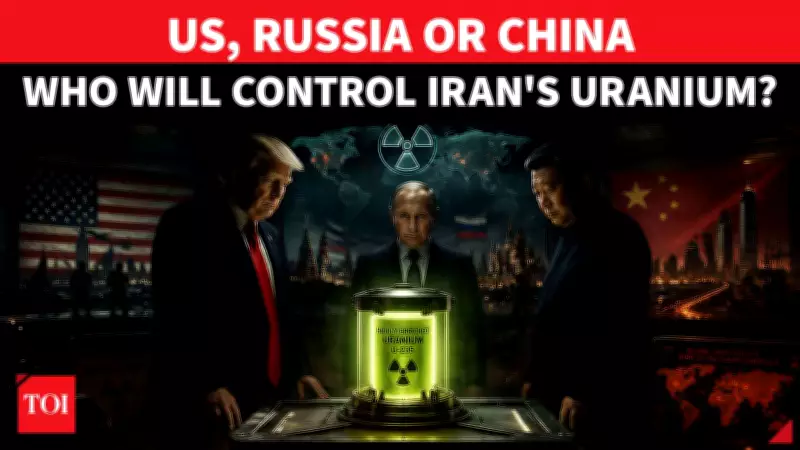
Iran's enriched uranium stockpile has become the central issue in renewed global nuclear diplomacy, with the United States demanding tighter control, Russia offering storage assistance, and China emerging as a possible neutral stakeholder. Tehran has firmly rejected any transfer of its uranium abroad, calling it a matter of sovereignty and national pride.
Why the Stockpile Matters
Experts say Iran's uranium enriched up to 60 percent purity is far closer to weapons-grade levels than standard civilian reactor fuel, making it a major international concern. Former US President Donald Trump referred to the material as “nuclear dust,” suggesting recoverable uranium may still remain inside damaged underground facilities and storage sites.
Global Powers' Interests
Russia’s willingness to hold the stockpile and China’s strategic ties with Iran have added new diplomatic dimensions to the standoff. The United States has been pushing for tighter control over the material, while Russia has offered to store it under a future deal. China is seen as another possible diplomatic option due to its neutral stance and strong economic ties with Tehran.

Iran's Stance
Iran insists that its enriched uranium is tied to sovereignty and scientific progress, and has rejected any external control over the stockpile. Tehran views the material as a symbol of national achievement and refuses to bow to international pressure.
Diplomatic Implications
Analysts say the fate of this stockpile could determine whether fresh nuclear negotiations succeed or collapse. The future of any Iran nuclear agreement may now depend on what happens to this uranium reserve. The standoff has also raised concerns about regional security, with Iran's nuclear program remaining a flashpoint in the Middle East.

