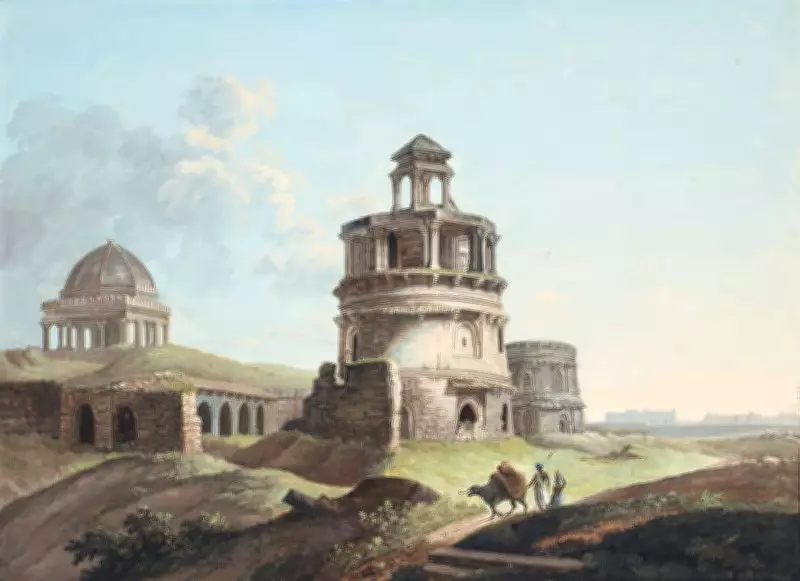
An exhibition titled 'Picture Perfect: British and Indian Landscape Paintings from the Early 19th Century' is currently showcasing a remarkable collection of artworks that capture the scenic beauty and cultural exchanges of the colonial era. The exhibition, which features over 50 paintings from renowned artists of the time, provides a unique window into the artistic traditions and influences that shaped landscape painting in both Britain and India.
Artistic Exchange and Influence
The early 19th century was a period of significant artistic exchange between British and Indian painters. British artists, captivated by the exotic landscapes of India, often traveled to the subcontinent to document its diverse topography, from the Himalayan peaks to the lush valleys of Kashmir. Indian artists, in turn, were influenced by Western techniques such as perspective and shading, which they incorporated into their own traditional styles. This cross-cultural dialogue resulted in a rich fusion of artistic expressions.
Highlights of the Exhibition
Among the standout pieces is a series of watercolors by Thomas Daniell and his nephew William Daniell, who are famous for their detailed and romanticized views of Indian architecture and landscapes. Their works, such as 'The Ganges at Benares' and 'The Taj Mahal at Agra', are celebrated for their precision and atmospheric quality. Another highlight is the work of Indian painter Sita Ram, who accompanied British officials on tours and created vibrant depictions of Indian life and scenery, blending indigenous motifs with European techniques.

Thematic Sections
The exhibition is divided into several thematic sections, including 'The Sublime and the Picturesque', 'Urban and Rural Landscapes', and 'The Impact of Colonialism'. Each section explores how British and Indian artists interpreted the landscape, often reflecting the political and social contexts of the time. For instance, paintings of British Residencies and cantonments illustrate the colonial presence, while images of Indian villages and festivals celebrate local traditions.
Cultural Significance
This exhibition not only highlights the aesthetic achievements of these artists but also serves as a historical document of the colonial encounter. It reveals how landscape painting became a medium for both documentation and imagination, shaping perceptions of India in Britain and vice versa. The curators have included informative panels and interactive displays to help visitors understand the historical and cultural contexts of the artworks.
Visitor Information
The exhibition is open to the public until March 15, 2024, at the National Gallery of Modern Art in New Delhi. Special guided tours and workshops are available for students and art enthusiasts. The gallery is open from 10:00 AM to 6:00 PM, Tuesday through Sunday. Admission is free for students and senior citizens.