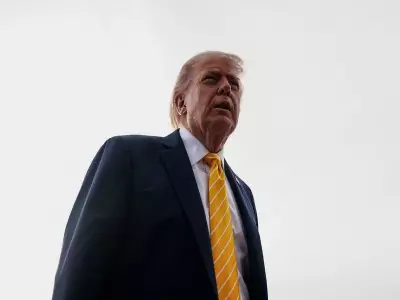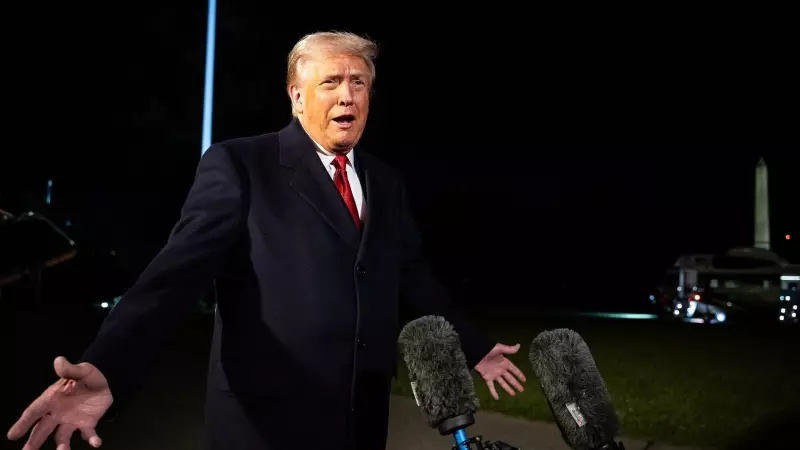
As the world watches the high-stakes trade negotiations between US President Donald Trump and Chinese President Xi Jinping, Asian nations are growing increasingly concerned about the potential security fallout in their backyard. The economic showdown between the two superpowers carries implications far beyond tariffs and trade balances.
The Geopolitical Chessboard
Asian security experts warn that the outcome of these talks could fundamentally alter the regional power balance. The trade dispute has already exposed deeper tensions in US-China relations, with many Asian countries caught in the crossfire of this great power competition.
Regional Anxieties Mount
From Tokyo to Canberra, governments are quietly preparing for multiple scenarios. The fear is palpable that a breakdown in talks could accelerate military buildups, while any agreement might come at the cost of American security commitments in the region.

Security Implications Beyond Economics
The trade negotiations have become a proxy for broader strategic competition. Key concerns include:
- Potential weakening of US security guarantees to Asian allies
- China's increasing assertiveness in the South China Sea
- Arms race dynamics in the Indo-Pacific
- Impact on regional diplomatic alignments
Diplomatic Tightrope
Asian nations find themselves walking a diplomatic tightrope. While they welcome American economic pressure on China, they worry about being forced to choose sides in what appears to be an emerging Cold War-style confrontation.
The delicate balancing act continues as regional powers assess how to protect their economic interests without compromising their security relationships. The Trump-Xi dialogue represents more than just trade—it's about the future architecture of Asian security and which power will ultimately call the shots in the world's most dynamic economic region.