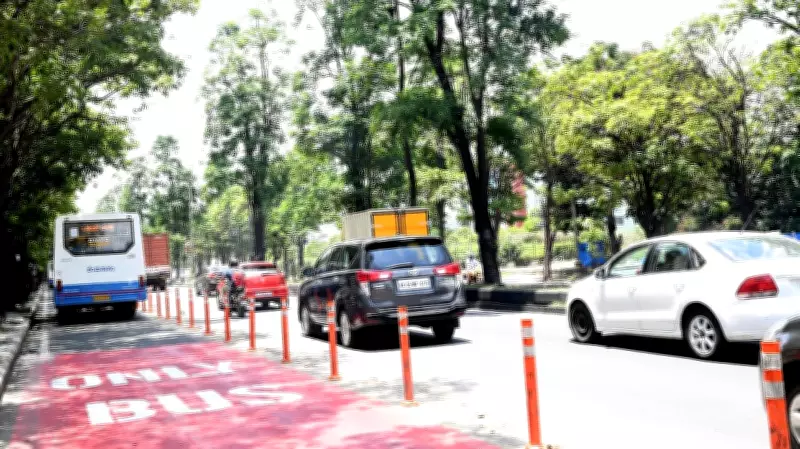
Bengaluru is set to revive its bus priority lane system in a bid to ease the city's notorious traffic congestion. The concept, which designates a separate lane exclusively for buses, has long been discussed as a potential solution to urban mobility challenges. However, its implementation in Indian cities has historically been fraught with difficulties.
The Promise of Bus Priority Lanes
Bus priority lanes are designed to give public transport an advantage over private vehicles, thereby encouraging more people to use buses. In theory, this reduces the number of cars on the road, cuts travel times, and lowers emissions. Cities like London and Curitiba have successfully implemented such systems, but Indian metropolises have struggled to replicate that success.
Past Attempts in India
Several Indian cities have experimented with bus priority lanes, but most have faced enforcement issues. In Delhi, the Bus Rapid Transit (BRT) corridor on Ambedkar Nagar to Moolchand stretch was eventually dismantled due to poor design and lack of compliance. Similarly, Pune's BRT system has been plagued by encroachments and mixed traffic. Bengaluru itself tried a bus lane on the Outer Ring Road, but it failed due to inadequate monitoring and public resistance.

Challenges in Implementation
Experts point to multiple hurdles. Enforcement is a major issue: without strict penalties, private vehicles frequently encroach on bus lanes. Infrastructure is another concern; many Indian roads are narrow and lack the space for dedicated lanes. Additionally, public awareness and acceptance remain low. Commuters often view bus lanes as a waste of road space, leading to resentment and violations.
Can Bengaluru Succeed?
Bengaluru's new plan aims to learn from past mistakes. The Bangalore Metropolitan Transport Corporation (BMTC) and traffic police are coordinating to ensure strict enforcement using cameras and fines. The proposed lanes will be on major corridors like the Outer Ring Road and NICE Road. Officials hope that with better planning and public engagement, this attempt will be different.
However, skeptics argue that without a comprehensive shift in urban transport policy, including improved last-mile connectivity and frequency of buses, the lane alone won't solve congestion. The success of the bus priority lane hinges on a holistic approach that integrates land use, traffic management, and public transport upgrades.
The Road Ahead
As Bengaluru revives the bus priority lane concept, it serves as a test case for Indian cities. If implemented effectively, it could pave the way for wider adoption. But the challenges are formidable, and only time will tell if this initiative can overcome the systemic issues that have plagued similar projects in the past.