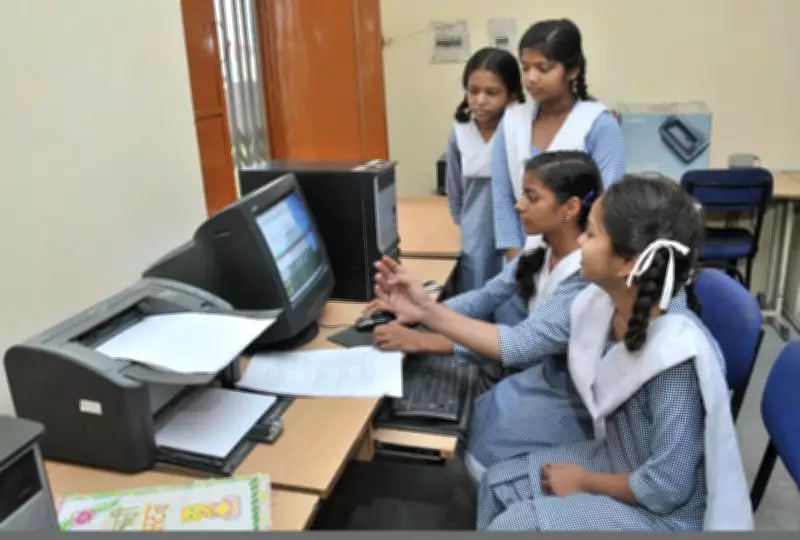
The recent commentary in The Tribune highlights a critical issue in Bihar's education sector: the urgent need for the state's education minister to actively listen to women. Women in Bihar face significant barriers to education, including safety concerns, lack of sanitary facilities, and societal pressures. The article argues that without incorporating women's perspectives, education policies will continue to fall short.
Challenges Faced by Women in Education
Bihar has one of the lowest female literacy rates in India. Many girls drop out of school due to early marriage, household responsibilities, and inadequate school infrastructure. The absence of separate toilets and menstrual hygiene management facilities further discourages attendance. Moreover, safety issues on school premises and during commutes remain unresolved.
The Need for Inclusive Policy-Making
The commentary emphasizes that the education minister must engage directly with women and girls to understand their lived experiences. Top-down approaches have failed to address ground realities. By listening to women, the minister can design targeted interventions such as improved sanitation, gender-sensitive curricula, and community awareness programs.

Potential Impact of Listening to Women
If women's voices are prioritized, Bihar can see a rise in female enrollment and retention rates. Empowered women contribute to economic growth and societal well-being. The article calls for immediate action, urging the minister to hold consultations with women's groups, teachers, and students across the state.
Conclusion
Bihar's education minister has a pivotal role in transforming the state's educational landscape. Listening to women is not just a symbolic gesture but a strategic necessity. The commentary serves as a wake-up call for policy-makers to adopt a more inclusive and responsive approach.