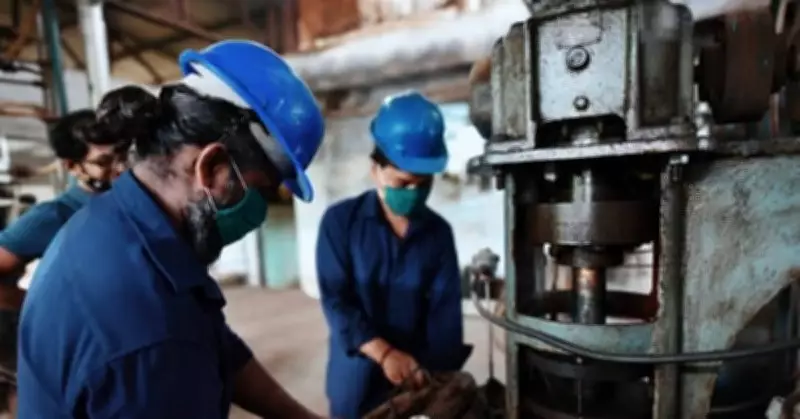
India stands at a pivotal juncture in the global labour market. With a demographic dividend and a growing pool of skilled and semi-skilled workers, the country is experiencing what some analysts call a 'blue-collar moment.' Nations across the world, particularly in ageing economies, are competing for young, trainable labour. India, with its large English-speaking and technically educated population, is well-positioned to supply this demand.
The Global Race for Skilled Labour
Countries like Germany, Japan, and Canada have introduced streamlined visa pathways for skilled workers. India's diaspora, already one of the largest in the world, is a testament to the country's labour export potential. However, the current moment is unique: it is not just about IT professionals or doctors, but also about blue-collar workers—welders, electricians, construction workers, and healthcare aides—who are in high demand.
Opportunities and Challenges
India's blue-collar workforce is vast but often lacks formal certification. The government's Skill India Mission aims to address this, but the scale of training required is enormous. Moreover, there is a risk of excessive outmigration, which could strip the domestic economy of essential workers. For instance, if too many nurses leave for the Gulf or Europe, India's own healthcare system could face shortages.

Another challenge is ensuring that workers abroad receive fair wages and legal protections. Instances of exploitation have been reported, particularly in construction and domestic work. Strengthening bilateral agreements and monitoring mechanisms is essential.
Balancing Domestic Needs
India must also create enough jobs at home to prevent a brain drain. The manufacturing sector, which has seen growth under the Production Linked Incentive (PLI) scheme, could absorb many blue-collar workers. Additionally, the gig economy offers flexible opportunities, though it lacks social security.
The government's focus on infrastructure—roads, railways, and smart cities—can generate millions of jobs. However, these projects require skilled labour, which again points to the need for robust vocational training.
Policy Recommendations
- Expand skill certification programmes aligned with international standards.
- Negotiate bilateral labour mobility agreements that protect workers' rights.
- Invest in domestic job creation to reduce the push factor for migration.
- Leverage technology for remote training and upskilling.
Conclusion
India's blue-collar moment is an opportunity to enhance its global standing and improve the lives of millions. But it requires careful policy calibration to ensure that the country does not lose its most valuable asset—its people. By balancing outmigration with domestic development, India can build a sustainable model for labour export that benefits both the nation and its workers.