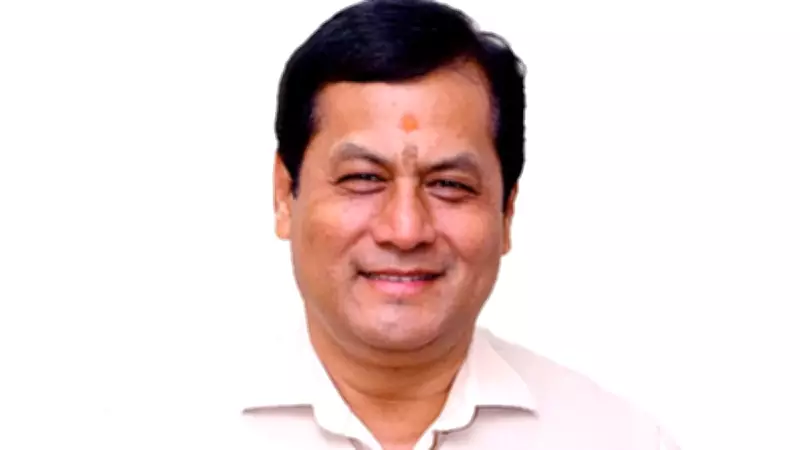
The central government has announced the launch of the National Water Metro services in 18 cities across the country, aiming to boost urban water transport. Union Minister Sarbananda Sonowal made the announcement, highlighting the initiative's potential to revolutionize commuting in water-rich regions.
Phase I and Phase II Cities
In the first phase, the water metro services will be rolled out in five cities: Srinagar, Patna, Varanasi, Ayodhya, and Prayagraj. These cities have been identified based on their existing water bodies and the potential for water-based public transport. The second phase will include Tezpur and Dibrugarh in Assam, along with other cities yet to be announced.
Objectives of the National Water Metro
The National Water Metro project aims to provide an eco-friendly, efficient, and affordable mode of transport. It is expected to reduce road congestion, lower carbon emissions, and enhance connectivity in urban areas with natural waterways. The initiative aligns with the government's push for sustainable urban mobility.

Implementation and Timeline
The rollout will be executed in phases, with the first phase targeting completion within the next two years. The government has allocated funds for infrastructure development, including terminals, jetties, and modern vessels. The Ministry of Ports, Shipping, and Waterways is overseeing the project in collaboration with state governments.
Regional Impact
For cities like Srinagar, the water metro will leverage the famous Dal Lake and Jhelum River, offering a scenic commute. In Patna and Varanasi, the Ganges will serve as the primary waterway. Ayodhya and Prayagraj, known for their religious significance, will benefit from improved connectivity for pilgrims and tourists. The inclusion of Tezpur and Dibrugarh in Phase II underscores the focus on Assam's Brahmaputra River system.
Union Minister Sonowal stated, 'The National Water Metro will transform urban transportation in India, making it more sustainable and accessible. This initiative is a testament to our commitment to modernizing infrastructure while preserving the environment.'
The project has received positive feedback from urban planners and environmentalists, who view it as a step forward in integrating water transport into the mainstream. With the first phase set to begin soon, the National Water Metro promises to be a game-changer for urban mobility in India.