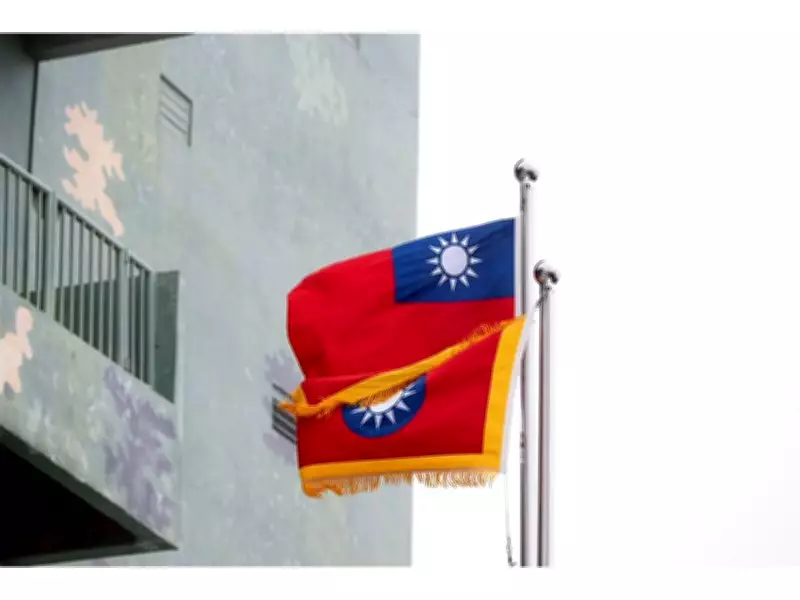
China has been accused of weaponising its airspace to prevent Taiwan President Tsai Ing-wen from visiting Africa, a move that has escalated tensions between the two sides. The accusation comes as Tsai attempts to strengthen diplomatic ties with African nations, a region where China has significant influence.
Allegations of Airspace Manipulation
According to reports, China has been using its airspace control to disrupt flight paths and create obstacles for the Taiwanese delegation. This includes rerouting commercial flights and causing delays, effectively blocking the president's travel plans. Critics argue that this is a form of coercion aimed at isolating Taiwan internationally.
Taiwan's Response
Taiwan's foreign ministry has condemned China's actions, calling them a violation of international norms. A spokesperson stated, 'China's attempts to interfere with our sovereign rights are unacceptable. We will continue to pursue our diplomatic goals despite these obstacles.'

China's Stance
China maintains that Taiwan is a part of its territory and has the right to take measures to prevent what it calls 'separatist activities.' Beijing has repeatedly warned against any official interactions between Taiwan and other countries, viewing them as challenges to its 'One China' policy.
International Reactions
The international community has expressed concern over the escalating situation. Some countries have called for dialogue and restraint, while others have reiterated their support for the 'One China' principle. The United States has urged both sides to avoid actions that could destabilize the region.
Impact on Africa Relations
Tsai's planned visit to Africa was intended to bolster economic and diplomatic ties. However, China's interference has raised questions about the ability of smaller nations to engage with Taiwan without facing repercussions. Analysts suggest that this could further entrench China's influence in the region.
Conclusion
The accusations of airspace weaponisation highlight the lengths to which China is willing to go to assert its sovereignty claims over Taiwan. As both sides dig in their heels, the prospects for peaceful resolution remain uncertain, with potential implications for global diplomacy.