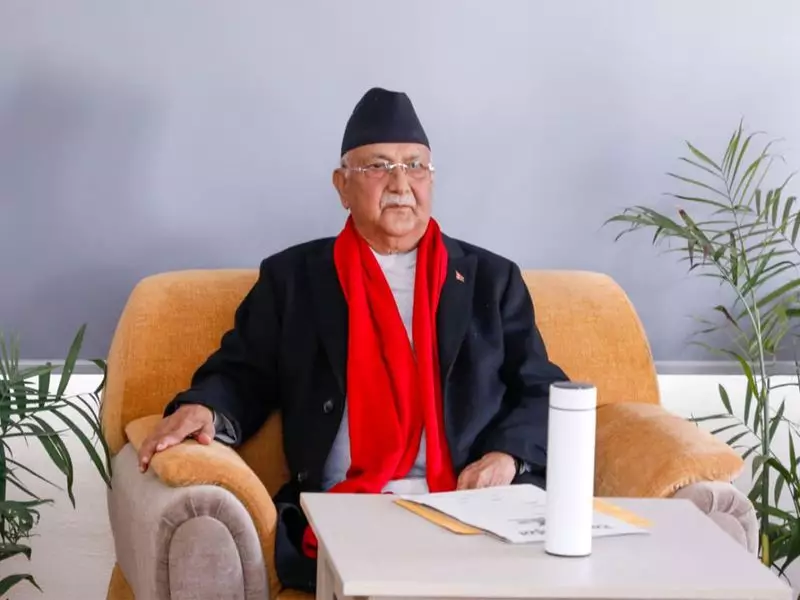
In a significant development, former Prime Minister of Nepal and current Chairman of the CPN-UML, KP Sharma Oli, has officially recorded his statement before a high-level investigation committee. This committee is probing the recent government crackdown on youth-led, or 'Gen Z', protests that have shaken the nation.
Oli Presents Account to Authorities
KP Sharma Oli engaged with the investigative process on two fronts. He first submitted a detailed written statement to the probe committee formed by the government to look into the protest incidents. Subsequently, he also appeared before the National Human Rights Commission (NHRC) to record his version of events.
The protests in question, largely driven by students and young activists, have been a focal point of political tension. They have involved demands for governmental accountability and transparency, leading to confrontations with security forces.

Details of the Probe and Political Repercussions
The formation of the probe committee itself was a direct response to the widespread demonstrations and the subsequent police action. Its mandate is to uncover the facts surrounding the protests, the response by law enforcement agencies, and to identify any instances of excessive force or rights violations.
By choosing to cooperate and provide his testimony, Oli has placed himself squarely within this official inquiry. His testimony is considered crucial given his stature as a former head of government and a major opposition figure. Political analysts suggest his account could provide insight into the political backdrop of the protests and the government's handling of the situation.
The National Human Rights Commission's role in separately recording his statement underscores the gravity of the human rights concerns associated with the protest crackdown. The NHRC acts as an independent constitutional body tasked with protecting and promoting human rights within Nepal.
A Step Towards Accountability?
This move by the former Prime Minister is being watched closely by both political circles and civil society. It represents a formal step in the investigative process, potentially moving towards establishing accountability for the events that transpired during the demonstrations.
The involvement of a figure of Oli's prominence highlights how the Gen Z protests have become a central issue in Nepal's contemporary political discourse, forcing key players to engage with demands for justice and reform. The outcomes of these probe committee investigations and the NHRC's findings are now eagerly awaited, as they could have lasting implications for Nepal's political stability and its human rights record.
As the committee continues its work, the nation waits to see if this process will lead to meaningful conclusions and address the grievances that fueled the youth-led movement.