

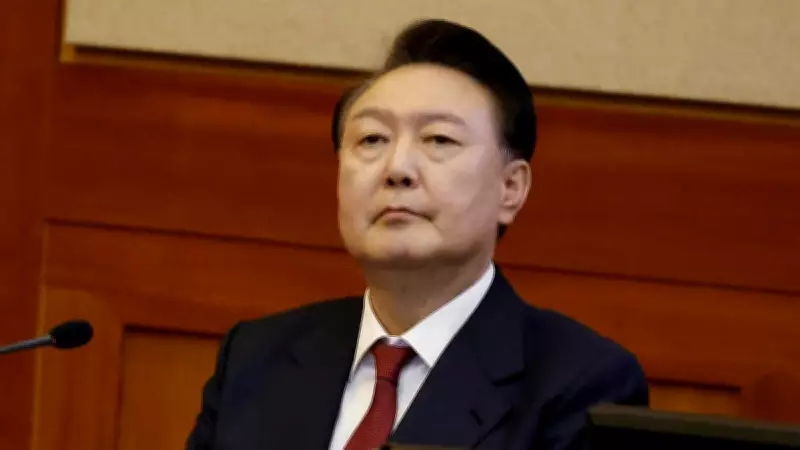
Former South Korean President Yoon Receives Life Sentence for Martial Law Imposition
In a historic and groundbreaking judicial decision, former South Korean President Yoon Suk-yeol has been handed a life sentence for his role in imposing martial law during his time in office. This ruling marks a significant moment in South Korea's ongoing efforts to uphold democratic principles and ensure accountability for abuses of power at the highest levels of government.
Details of the Case and Legal Proceedings
The case centered on allegations that Yoon Suk-yeol, during his presidency, unlawfully declared martial law, a move that severely restricted civil liberties and led to widespread human rights violations. Prosecutors argued that this action was a blatant overreach of executive authority, intended to suppress political dissent and consolidate power.
After a thorough and extensive trial, the court found Yoon guilty on multiple charges, including abuse of power and violations of constitutional norms. The life sentence reflects the gravity of the offenses, with judges emphasizing the need to deter future leaders from similar actions that undermine democracy.

Broader Implications for South Korean Democracy
This sentencing is seen as a pivotal step in South Korea's democratic evolution, reinforcing the rule of law and the principle that no one, not even a former head of state, is above accountability. It sends a clear message about the country's commitment to justice and the protection of citizens' rights, even in the face of political turmoil.
Observers note that this case could set a precedent for how South Korea handles future instances of governmental overreach, potentially strengthening institutional checks and balances. The ruling has sparked widespread debate, with many praising it as a victory for democracy, while others express concerns about political polarization.
Reactions and Public Response
Public reaction to the verdict has been mixed, reflecting South Korea's complex political landscape. Supporters of the decision hail it as a necessary correction to past injustices, arguing that it helps heal wounds from a period of authoritarian rule. Critics, however, view it as politically motivated, suggesting it could deepen divisions within the nation.
International human rights organizations have largely welcomed the ruling, citing it as an example of robust judicial independence in addressing state-sponsored abuses. The case has drawn global attention, highlighting South Korea's role as a democratic leader in the region.
Historical Context and Future Outlook
South Korea has a history of grappling with authoritarian legacies, and this sentencing is part of a broader pattern of holding former leaders accountable for past actions. It underscores the nation's journey from military dictatorship to a vibrant democracy, with ongoing efforts to reconcile with its history.
Looking ahead, the implications of this ruling may influence South Korea's political dynamics, potentially affecting upcoming elections and policy debates. As the country continues to navigate challenges related to governance and human rights, this case serves as a reminder of the importance of vigilance in safeguarding democratic institutions.






