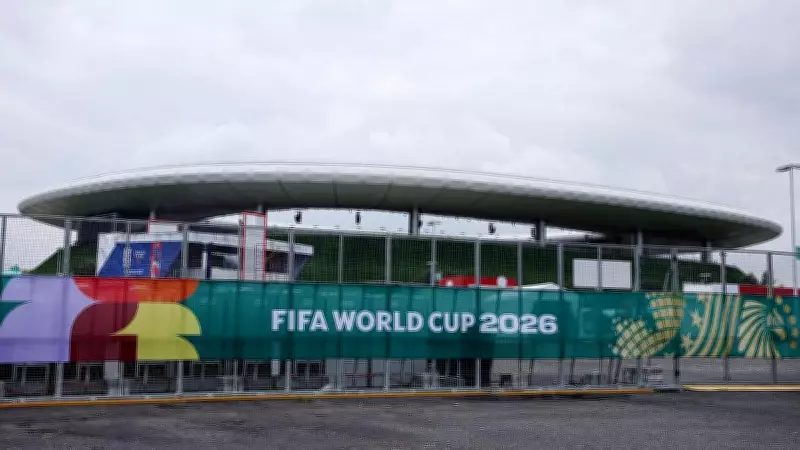
FIFA World Cup 2026 is set to be a historic tournament, with ticket prices skyrocketing as the event expands to 48 teams. The increased number of matches and expectations of record fan attendance have driven demand to unprecedented levels, leading to higher costs for spectators.
Expansion to 48 Teams
The decision to expand from 32 to 48 teams has significantly altered the tournament's structure. With more nations participating, the World Cup will feature 104 matches, up from 64 in previous editions. This expansion aims to increase global representation and bring football to new audiences, but it also places greater logistical demands on host cities.
Venues Across the Continent
For the first time, the World Cup will be hosted across three nations: the United States, Canada, and Mexico. Venues span the continent, from the Rose Bowl in Pasadena to the Azteca Stadium in Mexico City and BMO Field in Toronto. This tri-national hosting arrangement is expected to boost tourism and economic activity across North America.

Additional Breaks for Players
FIFA has introduced additional breaks for players during the tournament to manage the increased workload. With more matches and travel demands, player welfare has become a priority. The extended breaks are designed to reduce fatigue and minimize injury risks, ensuring that the world's best players can perform at their peak.
More Substitutions Allowed
In line with modern football trends, the 2026 World Cup will allow more substitutions per match. Teams will be permitted to make up to five substitutions across three stoppages, providing greater tactical flexibility and helping to maintain the intensity of play throughout the tournament.
FIFA's Control Becomes More Direct
FIFA has assumed more direct control over the organization of the 2026 World Cup, moving away from the traditional model of local organizing committees. This shift aims to streamline decision-making and ensure consistency across the three host nations. However, it has also raised questions about the influence of the global governing body on local operations.
As the countdown to the 2026 World Cup continues, fans and stakeholders alike are bracing for a tournament that promises to be bigger, more expensive, and more tightly controlled than ever before. The combination of expansion, high demand, and strategic changes will define this edition of football's greatest spectacle.