NEW DELHI: A chance discovery of fossil sites exposed by torrential rains in 2023 in Thoothukudi, Tamil Nadu has unveiled India’s past fossil record dating back to the Holocene period (8,000–12,000 years). The findings have the potential to fill a relatively under-explored gap in the country’s prehistoric record.
Significance of the Discovery
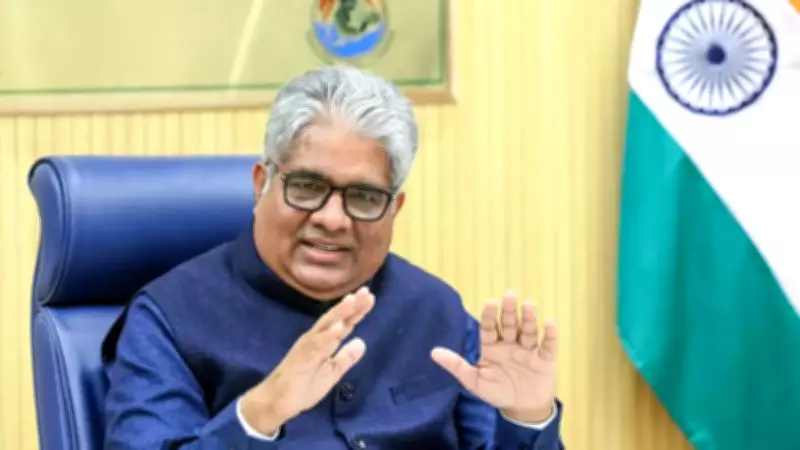
“This discovery is important because it helps us better understand India’s ancient wildlife, environment, and climate,” Union environment minister Bhupender Yadav posted on X on Monday while announcing the results of the findings of a field survey. Yadav said the Zoological Survey of India (ZSI) conducted the field survey at the request of the Thoothukudi administration, and the assessment confirms a newly discovered fossil bed, which significantly enriches the fossil record of India.
Scientific Importance
Scientific study of fossils from the Holocene period helps scientists understand how climate, vegetation, rivers, and coastlines evolved after the last Ice Age. In a coastal district of Thoothukudi, the assessment can also reveal changes in sea levels along India’s southeastern coast, shifts in monsoon patterns, and the past ecosystems comprising grasslands, wetlands, water bodies, and forests.

Filling a Gap
Unlike Africa or Europe, India’s Holocene fossil record is less systematically documented, and therefore the recent discoveries may help in strengthening chronological continuity from prehistoric to historic periods. The fossil sites were exposed by torrential rains in 2023, leading to the chance discovery.
About the Author: Vishwa Mohan is Senior Editor at The Times of India. He writes on environment, climate change, agriculture, water resources, and clean energy, tracking policy issues and climate diplomacy. He has been covering Parliament since 2003 to see how politics shaped domestic policy and India’s position on the global platform. Before switching over to explore sustainable development issues, Vishwa had covered internal security and investigative agencies for more than a decade.