The Greater Bengaluru Authority (GBA) has recovered over 10 acres of land at the Hebbal lake premises that was reportedly encroached upon by a government entity. The authority is currently in the process of redeveloping the lake. According to a senior GBA official, the Fisheries Research and Information Centre located next to the lake was originally allotted around one acre of land. However, the centre had made use of over 10 acres of the lake's land for fish breeding, which blocked the lake's inlet and diverted water flow.
Land Recovery and Wetland Development
Under the supervision of the GBA's Project Implementation Unit (PIU), the encroached land has now been recovered. The area is being converted into wetlands designed to receive water into Hebbal lake. GBA is redeveloping Hebbal lake along with six other lakes with financial assistance from the World Bank. Apart from desilting, other planned works in the lake premises include construction of inlets and outlets, a walking track, and additional wetlands.
Nagawara Lake Island Project
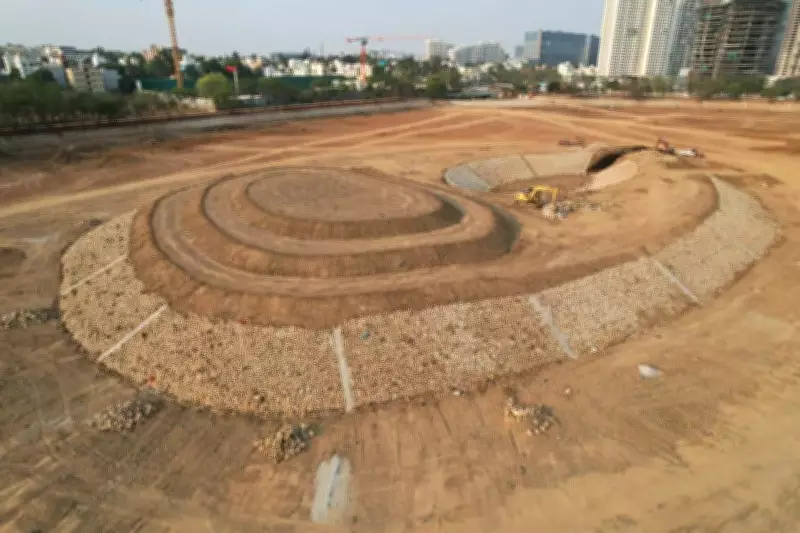
In a separate initiative, GBA recovered over 11 acres of encroached land at Nagawara lake. The land parcel, which was under litigation, had been acquired from some individuals earlier. A GBA official explained that while records reflected the corporation's name, the Pahani (a record of rights, tenancy, and crops) still showed the individuals' names as it was not updated. Using silt from within the lake premises, GBA is building a unique island within Nagawara lake. This initiative has attracted curiosity from city residents and netizens after drone visuals of the lake were shared on social media.

Purpose and Design of the Island
The move aims to reduce the cost of transporting silt to the Mittaganahalli landfill, located approximately 15 km from the lake. A senior GBA official stated, 'We wanted to use the silt here without reducing the lake's holding capacity. The plan includes a large island with a pond within. The island has a spiral base, which helps retain the lake's holding capacity.' The island's construction is a sustainable approach to manage silt while enhancing the lake's aesthetic and ecological value.