

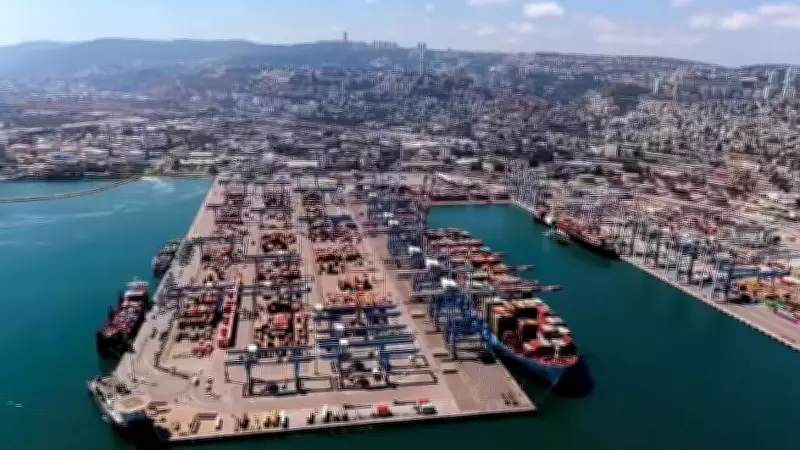
India is evaluating its stake in Iran's Chabahar Port project as the United States prepares to reimpose sanctions on Tehran. The strategic port, located on the Gulf of Oman, provides India with a crucial trade route to Afghanistan and Central Asia, bypassing Pakistan. However, the impending US sanctions, which are set to take effect in November, could complicate India's involvement.
Strategic Importance of Chabahar Port
The Chabahar Port is a key component of India's connectivity initiatives in the region. It allows India to access Afghanistan and Central Asian markets directly, reducing dependence on routes through Pakistan. The port also serves as a counterbalance to China's Gwadar Port in Pakistan, which is part of the China-Pakistan Economic Corridor. India has invested significant resources in developing the port, including a $500 million commitment to build a terminal and related infrastructure.
Impact of US Sanctions
The US has announced the withdrawal from the Iran nuclear deal and the reimposition of sanctions on Iran. These sanctions could target entities doing business with Iran, including the Chabahar Port project. India is now considering various options to protect its interests while complying with US sanctions. One possibility is to seek a waiver or exemption from the US, similar to what was granted for the Chabahar project during previous sanctions. Another option is to reduce the scale of involvement or find alternative funding mechanisms.

India's Diplomatic Efforts
India has been engaging with the US to discuss the implications of the sanctions on the Chabahar project. New Delhi hopes to convince Washington that the port serves broader strategic interests, including stabilizing Afghanistan and promoting regional connectivity. India also plans to highlight the humanitarian benefits of the project, such as facilitating trade in food and medicine.
Potential Outcomes
If India fails to secure an exemption, it may have to scale back its involvement in the Chabahar Port. This could delay the project and limit India's strategic reach in the region. However, India could also explore alternative routes, such as the International North-South Transport Corridor, which connects India to Russia via Iran. Ultimately, India's decision will depend on the evolving geopolitical landscape and the strength of its bilateral ties with the US.
Conclusion
The Chabahar Port remains a vital strategic asset for India, but its future is uncertain due to US sanctions. India is carefully weighing its options to balance its strategic interests with its relationship with the US. The outcome will have significant implications for regional connectivity and India's influence in Central Asia.






