

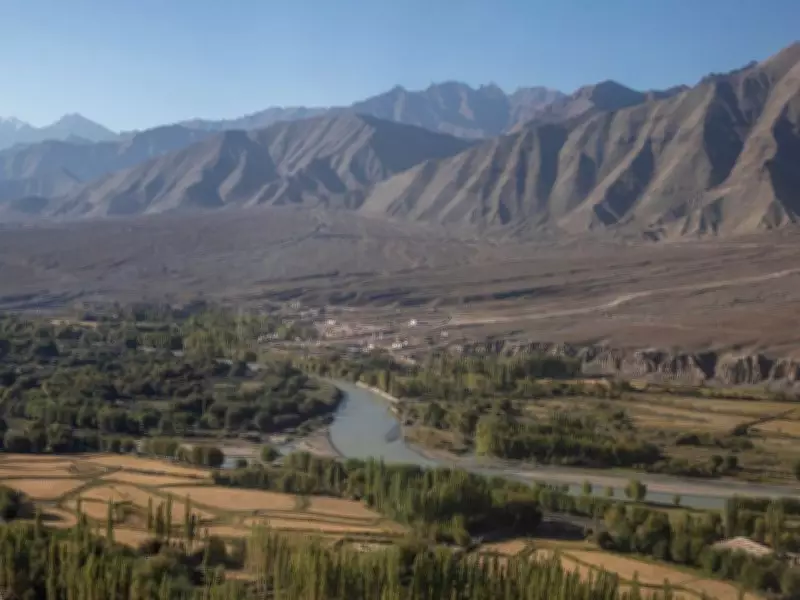
In the wake of the deadly Pahalgam terror attack, India has signaled a significant shift in its approach to the Indus Water Treaty, moving from restraint to strategic leverage. The attack, which claimed multiple lives, has prompted New Delhi to reassess its water-sharing arrangement with Pakistan, potentially using water as a diplomatic and strategic tool.
Background of the Indus Water Treaty
The Indus Water Treaty, signed in 1960, governs the sharing of water from the Indus River system between India and Pakistan. Historically, India has adhered strictly to its provisions, even during periods of heightened tension. However, the Pahalgam incident has catalyzed a re-evaluation of this policy.
Strategic Reorientation
Indian officials have indicated that the country will now exploit the treaty’s clauses to maximize its own water usage, particularly from the western rivers allocated to Pakistan. This includes accelerating hydroelectric projects and irrigation schemes that were previously delayed due to diplomatic considerations.

- India plans to increase storage capacity on western rivers.
- New hydropower projects will be fast-tracked.
- Water diversion for agricultural use in border regions will be prioritized.
Impact on Bilateral Relations
This shift is expected to further strain already tense relations with Pakistan. Experts warn that any unilateral action could lead to escalation, but India maintains that its actions remain within the treaty’s legal framework.
Global Reactions
The international community is closely watching the developments. The World Bank, which brokered the original treaty, has urged both nations to resolve differences through dialogue. However, India’s stance appears firm, with water being framed as a matter of national security.
- Pakistan has condemned India’s move as a violation of the treaty’s spirit.
- China, as an upper riparian state, has expressed concern over the precedent.
- Neighboring countries like Nepal and Bangladesh are monitoring the situation.
Future Outlook
India’s Indus reset marks a new chapter in South Asian water politics. As New Delhi leverages its position, the region may witness increased water-related tensions, but also opportunities for renegotiation of historical agreements. The Pahalgam attack has thus become a turning point, transforming water from a symbol of cooperation into a tool of strategic leverage.






