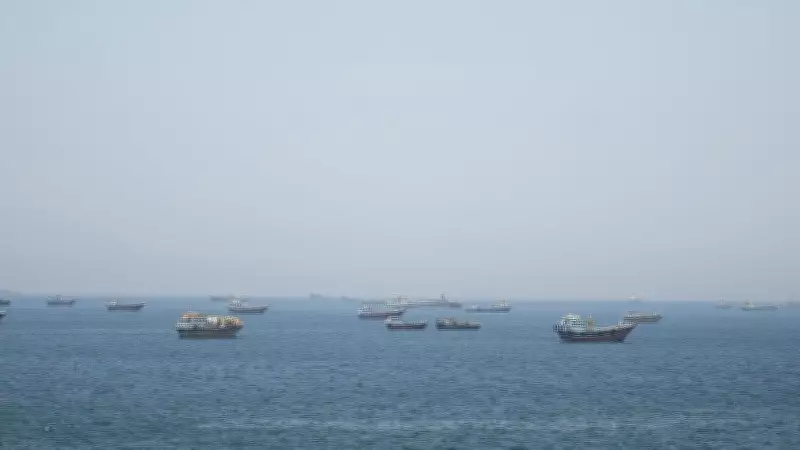
Iran has allowed Chinese vessels to transit through the strategically vital Strait of Hormuz, according to a report from the Fars news agency. The development comes as United States President Donald Trump, currently on a state visit to China, reached an agreement with Chinese leader Xi Jinping on the necessity of keeping the Strait of Hormuz open for the free flow of energy resources.
Strategic Importance of the Strait of Hormuz
The Strait of Hormuz is a narrow waterway connecting the Persian Gulf to the Gulf of Oman and the Arabian Sea. It is one of the world's most critical chokepoints for oil and gas shipments, with approximately 20% of global petroleum consumption passing through it. Any disruption to traffic in this strait can have significant implications for global energy markets and international security.
Iran's Decision and Regional Implications
Iran's permission for Chinese vessels to transit the strait signals a deepening of ties between Tehran and Beijing. This move may be seen as a strategic alignment, especially in the context of ongoing tensions between Iran and Western nations over nuclear programs and regional influence. The Fars report did not specify the number or type of Chinese vessels involved, but it highlighted the cooperative nature of the transit.

The decision also comes amid heightened scrutiny of maritime routes in the region. The United States has maintained a strong naval presence in the Persian Gulf to ensure freedom of navigation, and any shift in Iran's posture could affect the balance of power in the area.
US-China Agreement on Energy Flow
Meanwhile, President Trump's visit to Beijing resulted in a joint understanding between the US and China that the Strait of Hormuz must remain open for the uninterrupted flow of energy. This agreement underscores the mutual interest of both nations in maintaining global energy security. The White House issued a statement emphasizing the importance of free navigation and the need to avoid any unilateral actions that could disrupt the strait's operations.
The US-China consensus on this matter may put pressure on Iran to ensure continued compliance with international maritime norms. However, Iran's permission for Chinese vessels could be interpreted as a selective approach to the strait's usage, potentially raising concerns among other nations.
Reactions and Future Outlook
International reactions to Iran's move have been cautious. Analysts suggest that this could be a precursor to broader cooperation between Iran and China in the region, possibly including joint naval exercises or increased economic integration. The European Union and other maritime stakeholders are closely monitoring the situation, advocating for the strait's neutrality and unrestricted access for all nations.
As the geopolitical landscape evolves, the Strait of Hormuz remains a focal point for global energy security. The interplay between Iran's regional ambitions, China's expanding influence, and the US commitment to free navigation will likely shape future developments in this strategically vital waterway.