

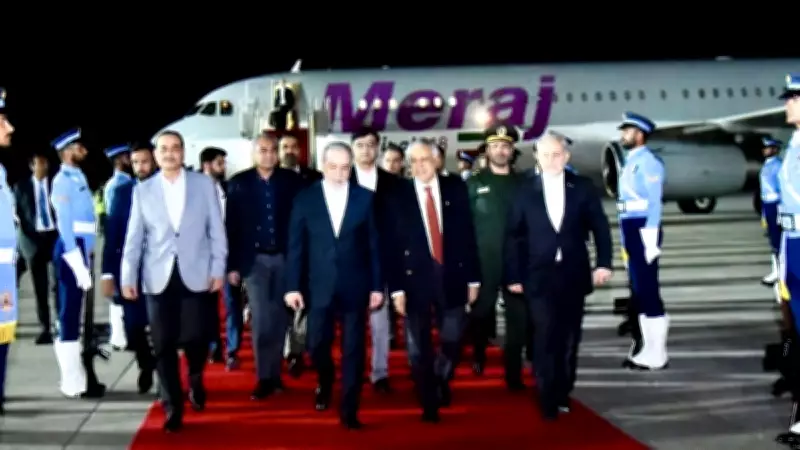
Iran has firmly ruled out the possibility of direct negotiations with the United States, even as a high-level delegation led by Foreign Minister Abbas Araghchi arrived in Pakistan on Friday for a two-day official visit. The delegation's arrival marks a significant diplomatic engagement between Tehran and Islamabad, focusing on bilateral ties and regional security issues.
Iran's Stance on US Talks
Speaking to reporters upon arrival in Islamabad, Araghchi reiterated Iran's position that there would be no direct talks with the US under the current circumstances. He emphasized that Iran remains open to dialogue through existing multilateral channels but will not engage in bilateral negotiations with Washington. This statement comes amid heightened tensions between Iran and the US over issues such as Iran's nuclear program and regional influence.
Delegation's Agenda in Pakistan
The Iranian delegation's visit to Pakistan is aimed at strengthening bilateral relations and discussing matters of mutual interest, including border security, economic cooperation, and regional stability. Araghchi is scheduled to meet with Pakistan's Foreign Minister Shah Mahmood Qureshi and other senior officials. The talks are expected to cover a wide range of topics, from trade and energy to counterterrorism and the situation in Afghanistan.

Pakistan has historically maintained close ties with Iran, and both countries have cooperated on various regional issues. However, relations have sometimes been strained due to sectarian violence and border disputes. This visit is seen as an effort to reset ties and explore new avenues for cooperation.
Regional Implications
Iran's refusal to engage in direct talks with the US has implications for regional diplomacy. The US has been pushing for broader negotiations with Iran, but Tehran has consistently demanded the lifting of sanctions as a precondition. Meanwhile, Iran has been strengthening its ties with neighboring countries, including Pakistan, to counter US pressure.
Analysts suggest that Iran's visit to Pakistan is part of a broader strategy to build a regional coalition that can act independently of US influence. The outcome of these talks could impact not only bilateral relations but also the geopolitical dynamics in South Asia and the Middle East.
Next Steps
The Iranian delegation is expected to hold detailed discussions over the next two days, with a joint press conference likely at the conclusion of the visit. Both sides are expected to sign several memorandums of understanding (MoUs) in areas such as trade, energy, and cultural exchange. The visit underscores the importance both countries place on maintaining a stable and cooperative relationship in a volatile region.






