Iran has escalated its rhetoric against the United Arab Emirates, accusing it of being an aggressor rather than merely an accomplice to aggression in the region. The statement, made by an Iranian official, marks a significant shift in Tehran's diplomatic language regarding the UAE.
Background of Tensions
The relationship between Iran and the UAE has been strained for years, primarily due to Iran's nuclear program and its influence in the Middle East. The UAE, a key member of the Gulf Cooperation Council, has often aligned with Saudi Arabia and the United States in opposing Iran's regional ambitions. Recent developments, including the UAE's normalization of ties with Israel under the Abraham Accords, have further exacerbated tensions.
Iran's Accusation
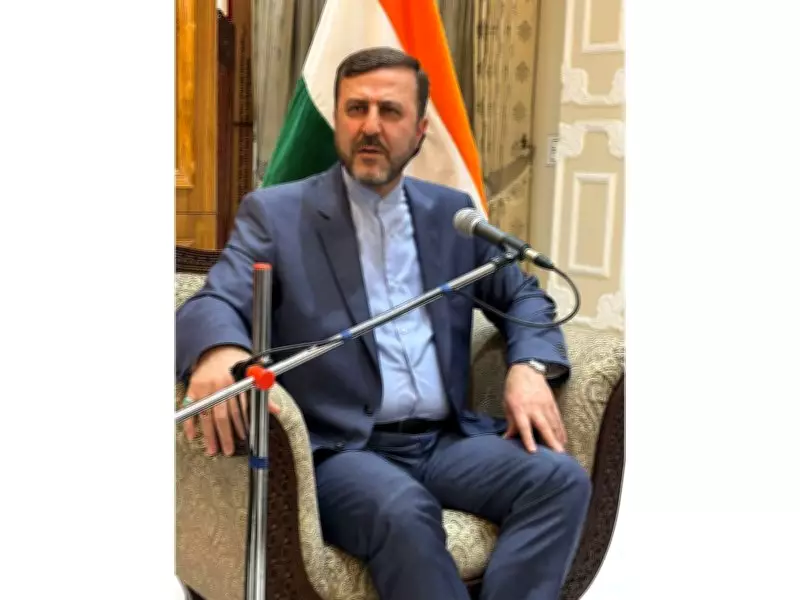
In a press conference, Iran's Foreign Ministry spokesperson said, "The UAE is not just an accomplice to aggression; it is an aggressor itself." The official cited the UAE's involvement in the Yemen conflict and its support for anti-Iranian groups as evidence of its hostile actions. This accusation comes amid heightened scrutiny of the UAE's role in regional proxy conflicts.

Regional Implications
The accusation could have significant implications for regional diplomacy. The UAE has positioned itself as a mediator in various conflicts, including in Libya and Afghanistan. However, Iran's statement may undermine the UAE's efforts to present itself as a neutral party. Analysts suggest that this rhetoric could lead to further isolation of Iran within the Gulf region.
Reactions from the UAE
The UAE has not officially responded to Iran's accusation. However, Emirati officials have previously emphasized their commitment to de-escalation and dialogue. The UAE's ambassador to the United Nations stated last month that the country seeks peaceful resolutions to regional disputes. It remains to be seen whether this latest exchange will lead to a diplomatic confrontation.
Historical Context
Iran and the UAE have also had disagreements over territorial issues, including the sovereignty of three islands in the Persian Gulf. These islands—Abu Musa, Greater Tunb, and Lesser Tunb—are claimed by both nations. The UAE has called for international arbitration, but Iran has maintained control over them. This ongoing dispute adds another layer to the current tensions.
International Response
The international community has called for restraint from both sides. The United Nations urged dialogue to prevent further escalation. The United States, while maintaining its alliance with the UAE, has also encouraged Iran to engage in nuclear talks. The European Union expressed concern over the rising rhetoric and emphasized the need for stability in the Gulf region.
Future Outlook
As tensions continue, the possibility of direct confrontation between Iran and the UAE remains low but not impossible. Both nations have vested interests in maintaining stability, especially in the energy sector. However, the harsh language from Iran indicates that diplomatic relations may continue to deteriorate. Observers will watch for any concrete actions that might follow these words.