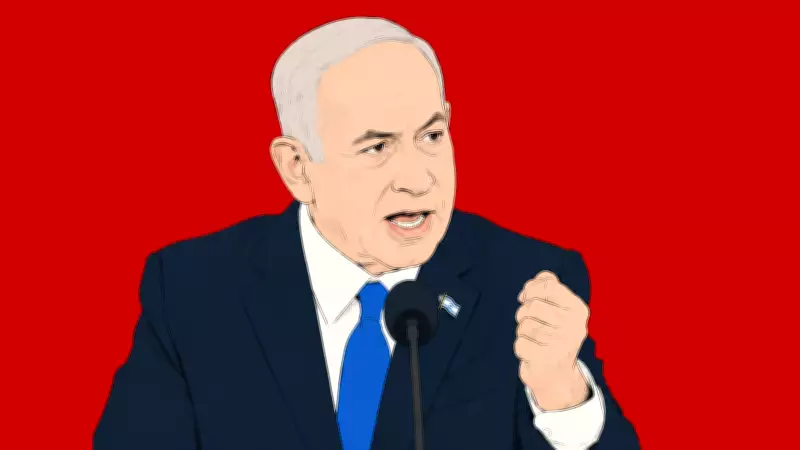
Benjamin Netanyahu, Israel's longest-serving prime minister, is facing one of the most serious political crises of his career. With ongoing protests, a fragile coalition, and multiple legal battles, many are questioning whether his time in power is finally coming to an end. This article examines the key factors that could determine his political fate.
The Current Political Landscape
Netanyahu's coalition government, formed after four elections in two years, has been plagued by internal divisions. The coalition includes parties from across the political spectrum, from right-wing religious factions to centrist and left-wing groups. These diverse ideologies have led to frequent clashes over policy, particularly on issues such as settlement expansion, judicial reform, and relations with Palestinians.
Protests and Public Discontent
Mass protests have erupted across Israel, with demonstrators calling for Netanyahu's resignation. The protests, which began over judicial overhaul plans, have expanded to include broader grievances about corruption, economic inequality, and the government's handling of the COVID-19 pandemic. The demonstrations have drawn hundreds of thousands of people, making them some of the largest in Israeli history.

Legal Challenges
Netanyahu is currently on trial for corruption charges, including bribery, fraud, and breach of trust. The legal proceedings have been a major distraction and have weakened his political standing. While he has denied any wrongdoing and portrayed the charges as a witch hunt, the trial continues to cast a shadow over his leadership.
Coalition Instability
The coalition government is fragile, with several parties threatening to leave if their demands are not met. The right-wing Yamina party, led by Naftali Bennett, has been particularly vocal about its opposition to certain policies. If the coalition collapses, Israel could be headed for its fifth election in three years, which could further destabilize the political system.
Potential Successors
Several figures are seen as potential successors to Netanyahu. Among them are Naftali Bennett, who currently serves as prime minister under a rotation agreement; Yair Lapid, the opposition leader; and Gideon Sa'ar, a former Likud member who broke away to form his own party. Each has their own strengths and weaknesses, and it remains unclear who could command a stable majority.
International Implications
Netanyahu's departure could have significant implications for Israeli foreign policy. He has been a key figure in shaping Israel's relations with the United States, the Arab world, and Europe. His successor may take a different approach to issues such as the Iran nuclear deal, the Palestinian conflict, and settlement expansion.
Conclusion
While Netanyahu's political future is uncertain, he has proven to be a resilient leader who has survived many crises. However, the combination of legal troubles, public protests, and coalition instability may finally prove too much to overcome. Whether he stays or goes, the outcome will have profound consequences for Israel's domestic and foreign policy.