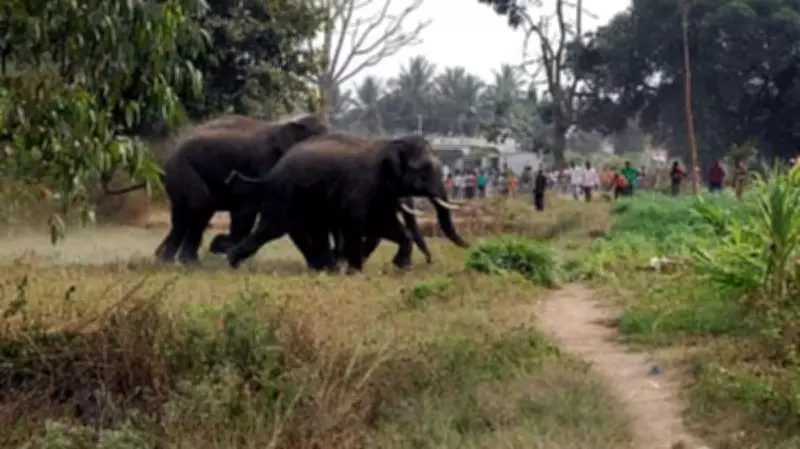
Kerala is witnessing a spate of wild elephant attacks, with back-to-back fatalities reported in the state. The deaths have put the United Democratic Front (UDF) government under immense pressure to find a lasting solution to the vexed issue of human-elephant conflict.
Recent Incidents
In the latest incident, a wild elephant trampled a man to death in the forest fringe areas of northern Kerala. This attack came just a day after another person was killed in a similar incident in a different part of the state. The consecutive deaths have raised alarm among local communities and wildlife authorities.
Government Response
The UDF government has been facing criticism for its handling of the human-elephant conflict. Opposition parties and environmental groups have called for immediate measures, including better fencing, early warning systems, and compensation for victims' families. The government has announced an ex gratia payment for the families of the deceased and promised to review existing mitigation strategies.

Underlying Issues
Experts point to habitat loss, encroachment into elephant corridors, and inadequate management of forest borders as key factors driving these conflicts. Kerala has one of the highest densities of wild elephants in India, and with shrinking habitats, encounters with humans are becoming more frequent. The state has recorded dozens of elephant attack deaths in recent years, prompting calls for a comprehensive policy.
Meanwhile, forest officials have been instructed to intensify patrolling and use technology like drone surveillance to track elephant movements. The government is also exploring the possibility of creating dedicated elephant corridors and relocating problematic animals. However, conservationists argue that long-term solutions require sustainable land-use planning and community participation.