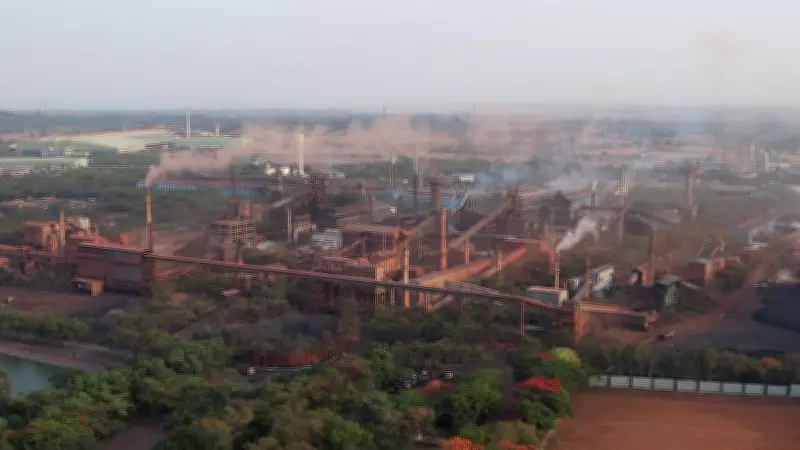
Two sponge iron factories in Koppal district have been ordered shut by the Karnataka State Pollution Control Board (KSPCB) following sustained public protests over pollution. The closure order, issued on May 21, 2026, cited the industries' failure to implement corrective measures despite multiple notices and personal hearings.
Background of the Issue
The factories, located in the Koppal industrial area, had been operating for several years. Local residents and environmental activists had long complained about the emission of harmful gases and particulate matter, which they said caused respiratory ailments and damaged crops. Protests escalated in early 2026, with villagers blocking roads and demanding immediate action.
KSPCB's Actions
The KSPCB had issued several show-cause notices to the factories since 2025, directing them to install pollution control equipment and adopt cleaner technologies. Despite repeated extensions and personal hearings, the board found that the units had not complied adequately. In its closure order, the board stated that the industries had 'failed to take effective steps to mitigate pollution' and that their continued operation posed a serious risk to public health and the environment.

Impact on Local Economy
The closure of the two factories has raised concerns about job losses and economic impact. The sponge iron sector is a major employer in the region, with hundreds of workers directly dependent on these units. Local business leaders have urged the government to provide alternative employment opportunities and support for affected families. However, environmental groups have welcomed the decision, calling it a 'victory for the people of Koppal'.
Next Steps
The factories have been given 15 days to appeal the closure order before the National Green Tribunal. Meanwhile, the KSPCB has said it will continue to monitor other industrial units in the area to ensure compliance with pollution norms. The state government has also announced a high-level committee to study the long-term environmental impact of industrial activities in Koppal and suggest sustainable solutions.
This incident highlights the ongoing tension between industrial development and environmental protection in India. The Koppal case is expected to set a precedent for stricter enforcement of pollution laws in other industrial clusters across Karnataka.