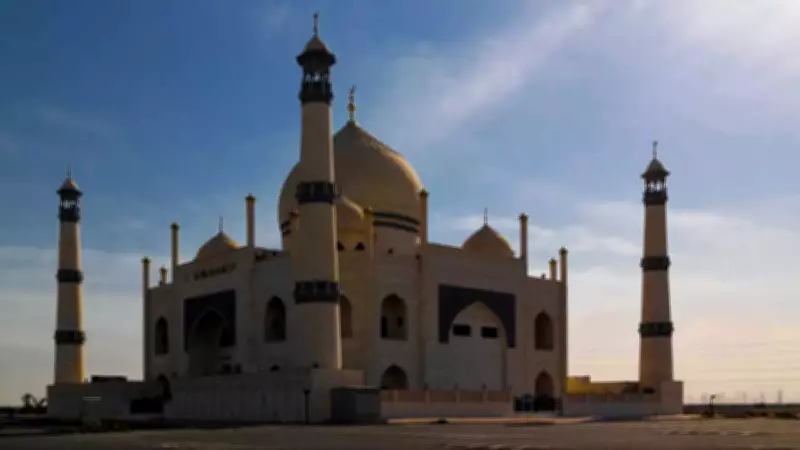
As the sacred month of Ramadan 2026 draws near, Kuwait is embarking on a comprehensive phase of preparation that blends spiritual readiness with meticulous logistical planning. The nation aims to ensure that Muslim worshippers can observe their prayers in an environment that is both comfortable and secure, reflecting a deep commitment to religious traditions and public welfare.
Extensive Mosque Readiness Across Kuwait
Kuwait's Ministry of Islamic Affairs has announced that approximately 1,700 mosques spread across the country's six governorates are being prepared to host congregations for Taraweeh, the special night prayers, and other Ramadan rituals. This initiative underscores the government's dedication to facilitating a meaningful spiritual experience for all residents.
Infrastructure and Maintenance Efforts
The Ministry is currently finalizing maintenance and service work at these mosques to ensure they are fully equipped to handle the anticipated influx of worshippers during Ramadan. Key aspects of this preparation include:

- Thorough cleaning of prayer halls and courtyards to maintain hygiene and sanctity.
- Servicing critical infrastructure such as air conditioning systems, sound systems, and lighting to enhance comfort.
- Conducting safety checks and repairs on electrical and civil systems to prevent hazards.
- Focusing on accessibility improvements, particularly for women's prayer areas and expansions of external courtyards.
- Coordinating with health, fire, and interior ministries to ensure emergency support and orderly crowd management.
Maintenance teams will be on duty around the clock throughout Ramadan to address any issues promptly, ensuring that mosques remain accessible and comfortable for all attendees.
Holistic Safety and Community Initiatives
Beyond physical preparations, Kuwait's Ministry of Islamic Affairs is collaborating with various government bodies to create a holistic experience for worshippers. This integrated approach emphasizes safety and community well-being during the holy month.
Key Safety Measures
The Ministry has outlined several initiatives to safeguard worshippers:
- Enhanced safety and security coordination with civil defence and interior ministries.
- Readiness of emergency medical services at central prayer hubs to handle any health concerns.
- Deployment of volunteers to manage crowd flow during peak times, ensuring smooth movement.
- Implementation of traffic regulation around large mosques to prevent congestion and enhance commuter safety.
These measures highlight a growing emphasis on not only welcoming worshippers but also ensuring their dignity and well-being, especially during intense spiritual practices like Taraweeh and Laylat al-Qadr.
Regional Context and Broader Implications
Ramadan is much more than a period of fasting from dawn to sunset; it is a month of communal gathering, prayer, reflection, and charity. Mosques serve as epicenters of social and spiritual life, hosting activities such as night prayers, Quran recitations, charitable distributions, and community iftars.
Regional Trends in Ramadan Preparations
Kuwait's efforts are part of a broader regional trend across the Middle East, where governments are ramping up preparations to support worshippers during Ramadan. For instance:
- In the UAE, the Sheikh Zayed Grand Mosque Centre is expanding parking and transport services to accommodate millions of visitors.
- In Saudi Arabia, ministries are issuing pre-Ramadan guidelines to ensure mosques and prayer halls nationwide are ready and adequately staffed.
These coordinated activities reflect a shared priority of preserving Ramadan as a deeply religious, safe, and communal experience for all Muslims. Clean, safe, and well-organized prayer spaces are crucial for boosting participation in congregational prayers, particularly for elders and families, and for enabling people across age groups to engage fully in the spiritual rhythm of Ramadan.

Conclusion: A Model of Government and Community Synergy
With Ramadan nearly upon the region, Kuwait's extensive preparations—covering 1,700 mosques, safety planning, infrastructure servicing, and cross-agency coordination—are setting the stage for a spiritually rich and orderly observance. These efforts demonstrate how government planning and community engagement can come together to support traditions that are central to cultural and religious life during the holy month. By prioritizing both logistical efficiency and human dignity, Kuwait is fostering an environment where faith and fellowship can flourish, reinforcing the enduring significance of Ramadan in the Islamic world.