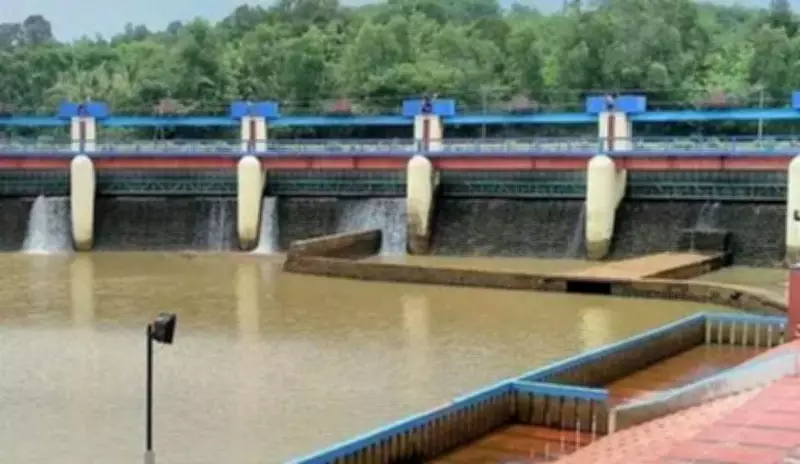
Thiruvananthapuram: The Kerala Water Authority (KWA) is preparing to replace aluminium sulphate, commonly known as alum, with polyaluminium chloride (PACL) at the Aruvikkarai water treatment plant. This decision comes in response to an acute shortage of alum, which has been linked to disruptions in the supply of sulphuric acid, a key ingredient in alum manufacturing. Officials attribute the shortage to the ongoing conflict in the Middle East, which has significantly affected the availability of alum in the market.
Shortage and monsoon concerns
The shift is being considered amid growing concerns that existing stocks may run out once the monsoon intensifies. Increased rainfall raises turbidity in dam water, thereby increasing the demand for purification chemicals. KWA recently procured 20 tonnes of alum, but officials stated that this supply may not last beyond ten days if monsoon inflows pick up and treatment demand rises accordingly.
“This decision is being taken after we were unable to procure the required quantities of alum after the war started in the Middle East. We repeatedly approached vendors but could not obtain sufficient quantities. We have procured 20 tonnes, but it may not last ten days once monsoon inflow increases. Therefore, we initiated preparations to shift to PACL,” said a senior KWA official.

Advantages of PACL
One practical advantage of PACL is that it requires significantly lower quantities than alum to achieve the same treatment effect. While three to four kilograms of alum may be needed under certain conditions, around one kilogram of PACL is sufficient for equivalent water purification. Officials have described the transition as a regulated alternative rather than an emergency measure. PACL is recognised under Bureau of Indian Standards (BIS) norms for use in drinking water treatment, ensuring its suitability for public water supply.
Procurement and testing process
KWA has initiated discussions with suppliers in Gujarat and Madhya Pradesh for the procurement of PACL. However, purchases will not be finalised until samples clear third-party laboratory testing, after which open tenders will be floated. “We are currently identifying laboratories for third-party testing. Procurement and tender procedures will be based on the results,” a senior KWA source said.
Officials emphasised that the testing process is intended to verify dosage standards and treatment efficiency before PACL is introduced into regular operations. Any delay in securing the alternative chemical could strain treatment capacity during the monsoon, when higher turbidity in raw water increases dependence on coagulants. The Aruvikkarai plant is a major source of treated water for the capital region, making an uninterrupted chemical supply critical in the weeks ahead.
KWA is working to ensure a smooth transition to PACL to maintain water quality and supply reliability, especially during the challenging monsoon season. The authority remains committed to providing safe drinking water to the residents of Thiruvananthapuram and surrounding areas.